

LiDAR-Based Forest Data and Analytics for Wood-Based Industries
From stand-level insight to large-scale industrial planning and implementation.

Better Visibility Into Forest Resources Across Industrial Value Chains
High-resolution forest data and analytics support planning, timber procurement, and operations across wood-based industries, including pulp and paper, sawmilling, and wood products. This provides a common data foundation for aligning planning, procurement, and operational decisions across multiple production processes and product lines.
Full forest-to-mill visibility
Reliable identification of forest stands based on value, quality, and timing
Aligning harvesting, logistics, and mill needs
Improvement of operational efficiency
Pain point
Outdated inventory limits planning accuracy
Traditional forest inventory methods rely heavily on field measurements that are time-consuming, costly, and often outdated by the time they are used in decision-making. This limits the ability to plan silvicultural treatments and harvesting operations accurately, especially at scale.
Arbonaut's solution
Faster, lower-cost planning and operations
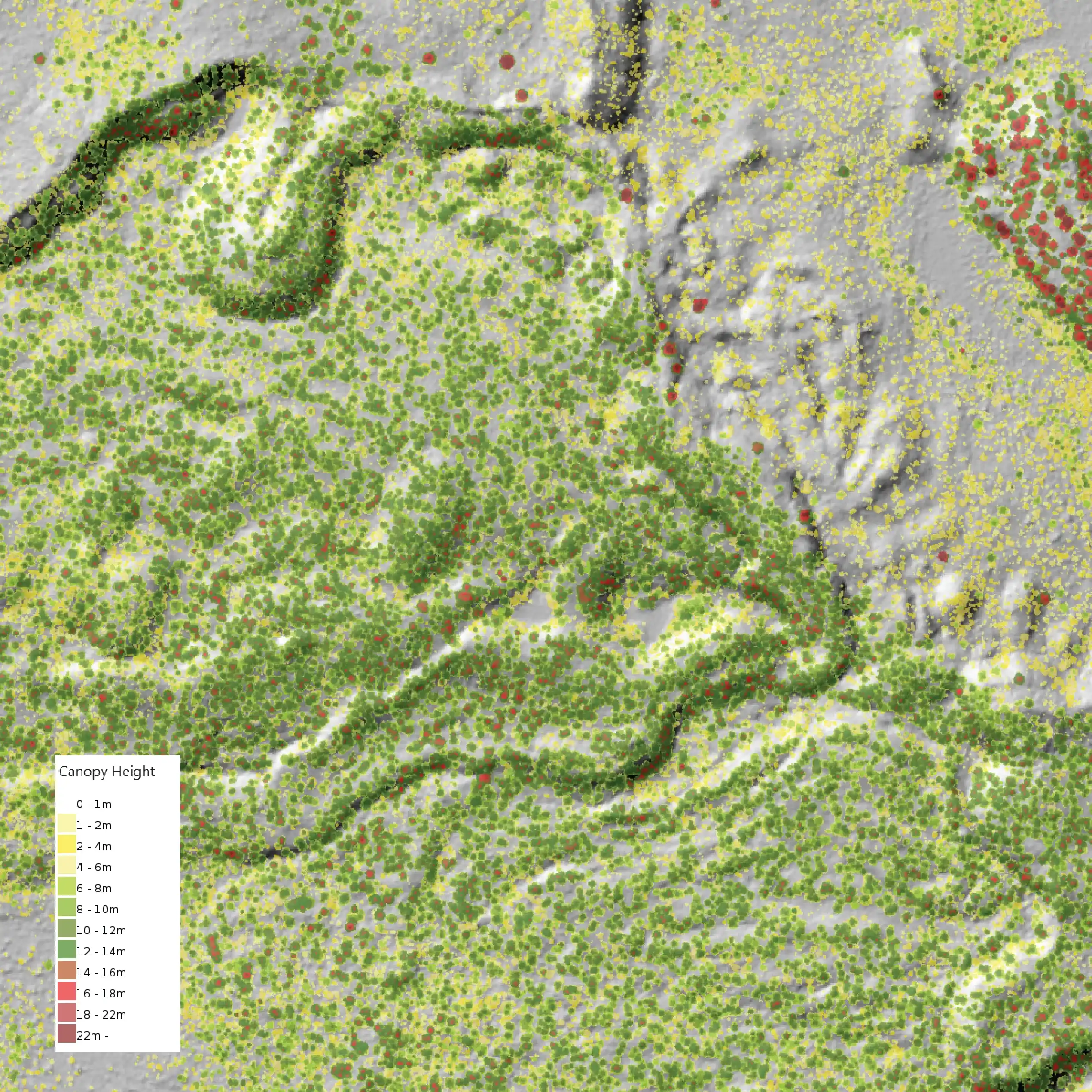
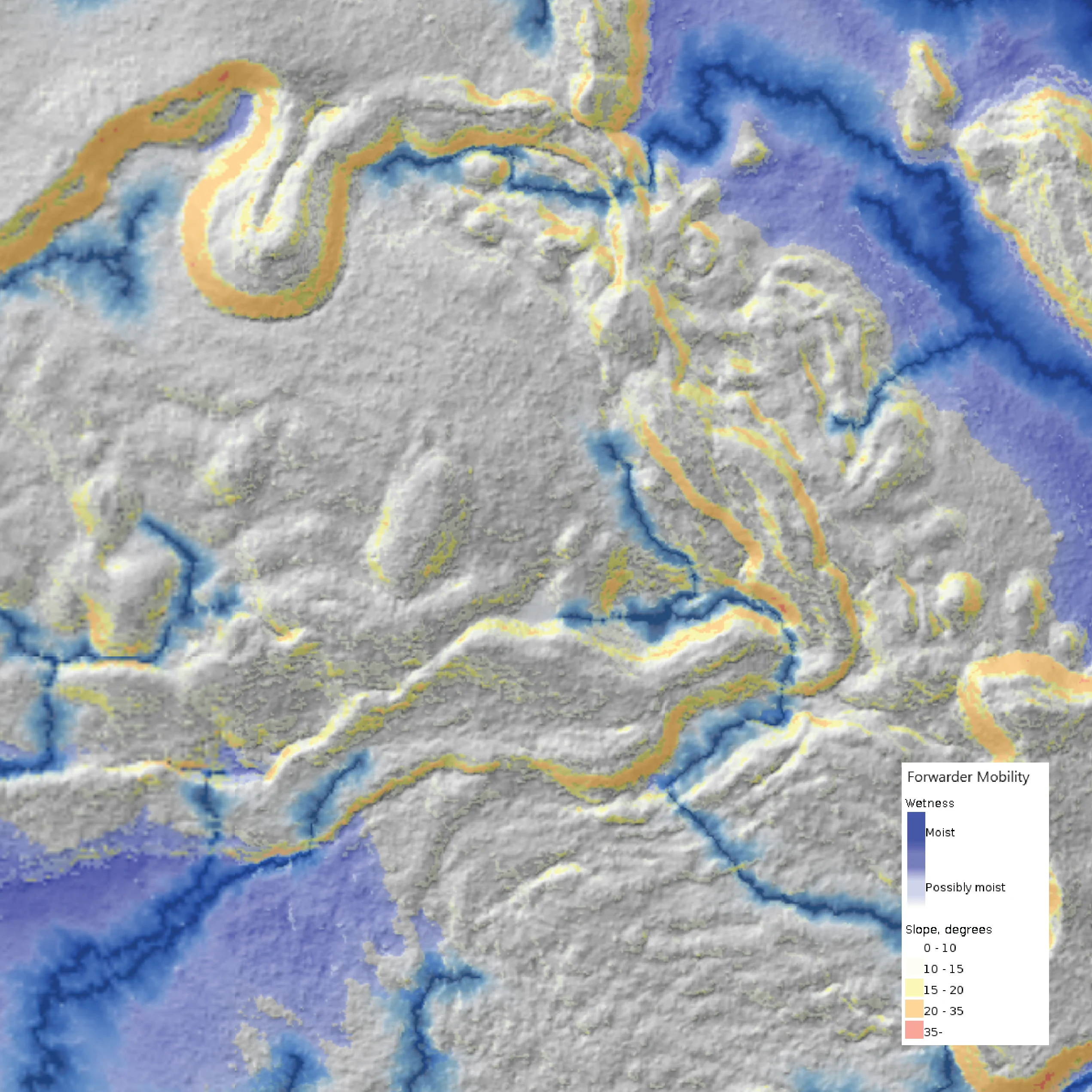
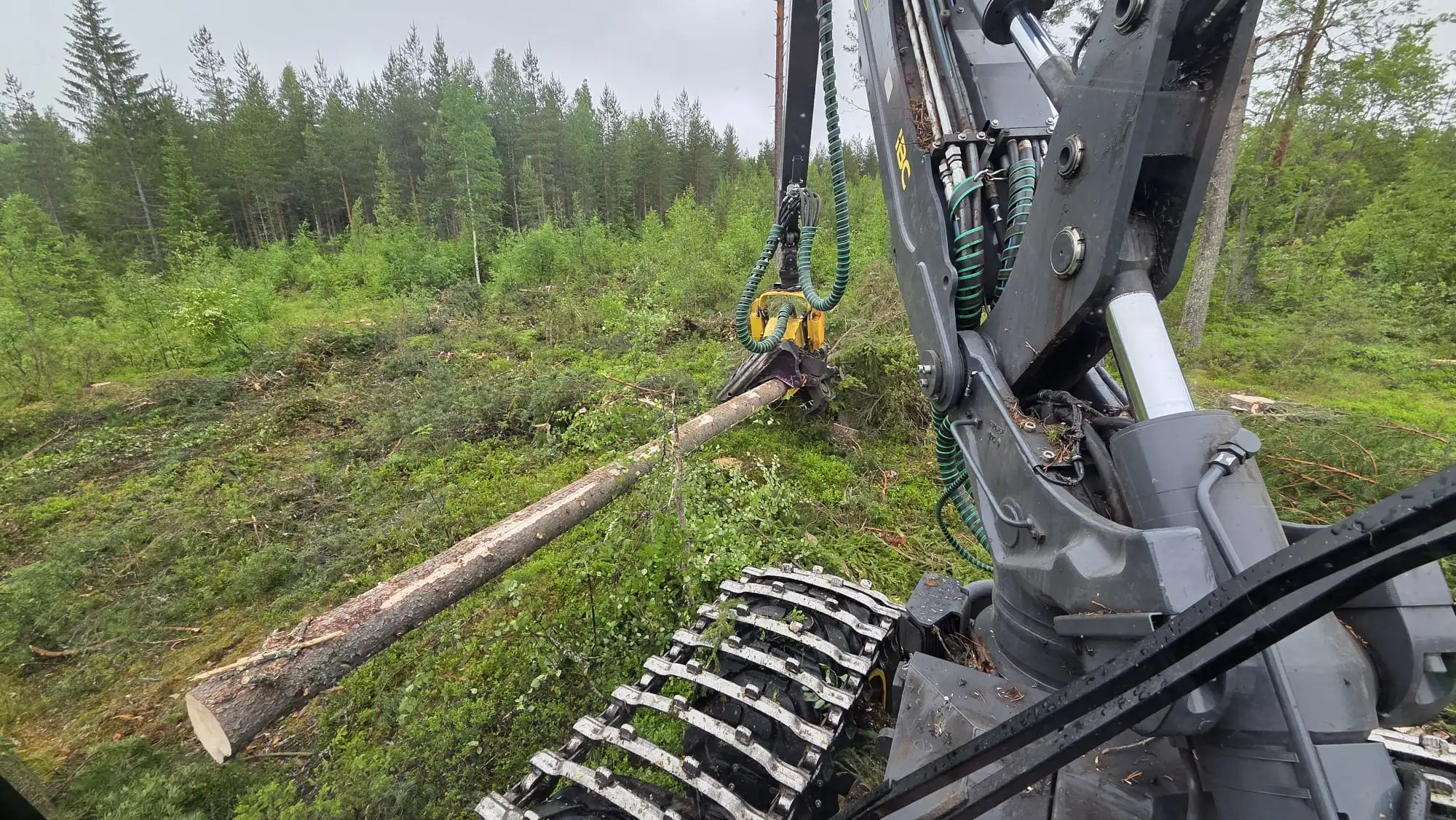
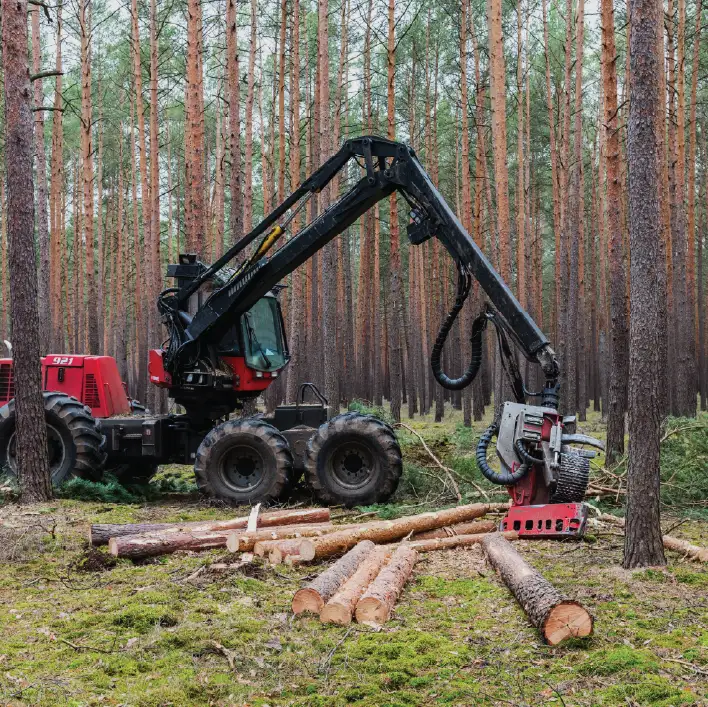
Arbonaut’s LiDAR-based inventory delivers up-to-date, stand-level data that reduces reliance on field measurements. Planning becomes faster and less resource intensive. Harvesting efficiency has been reported to improve by 10–15%, equivalent to approximately one additional productive hour per day.

Pain point
Unstable supply and inefficient sourcing structure
Roundwood supply fluctuates due to market conditions, seasonal constraints, and ownership structures. At the same time, small harvest volumes and frequent machine relocation create inefficient sourcing patterns. This increases operational costs and weakens supply reliability.
Arbonaut's solution
More volume per site for stable wood flow
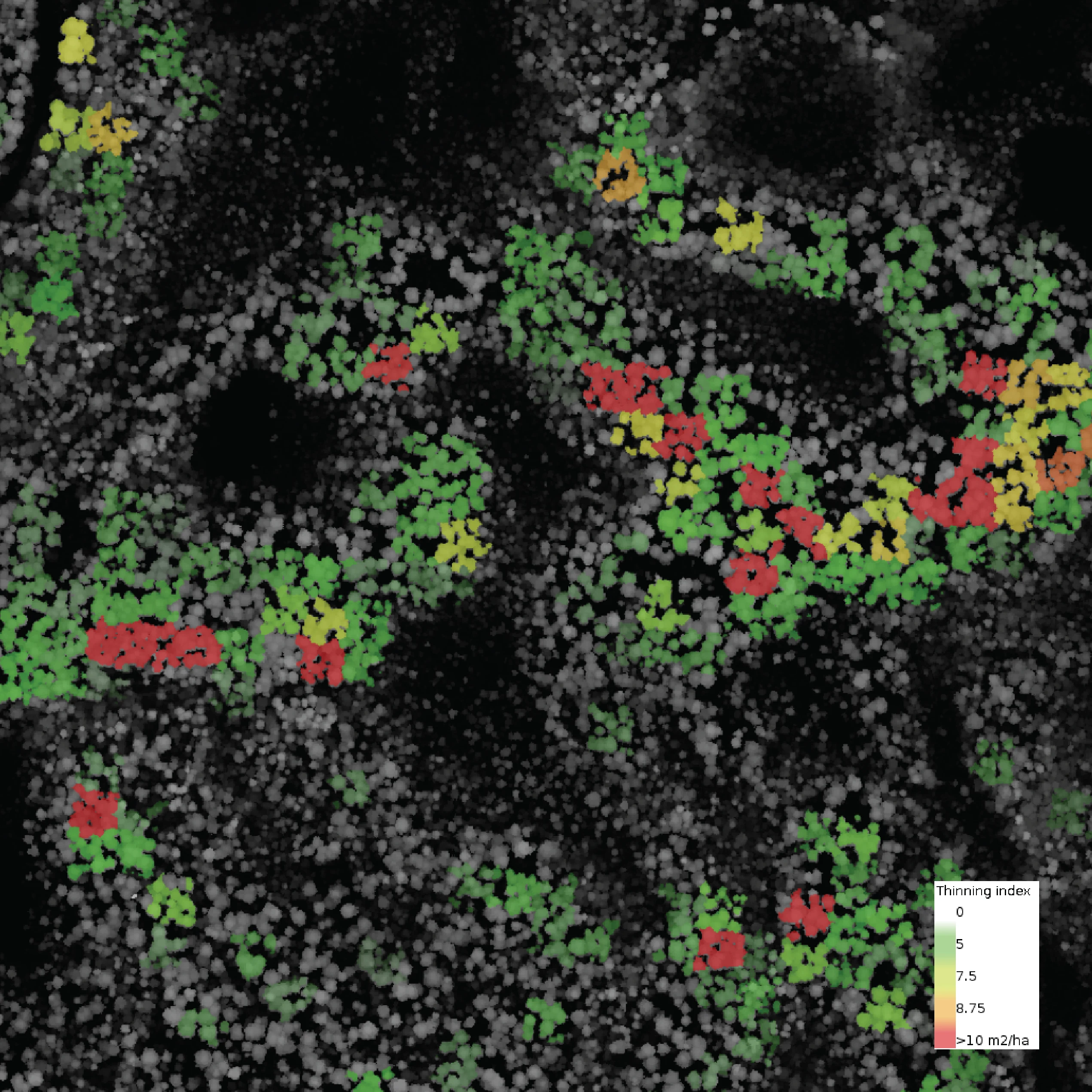
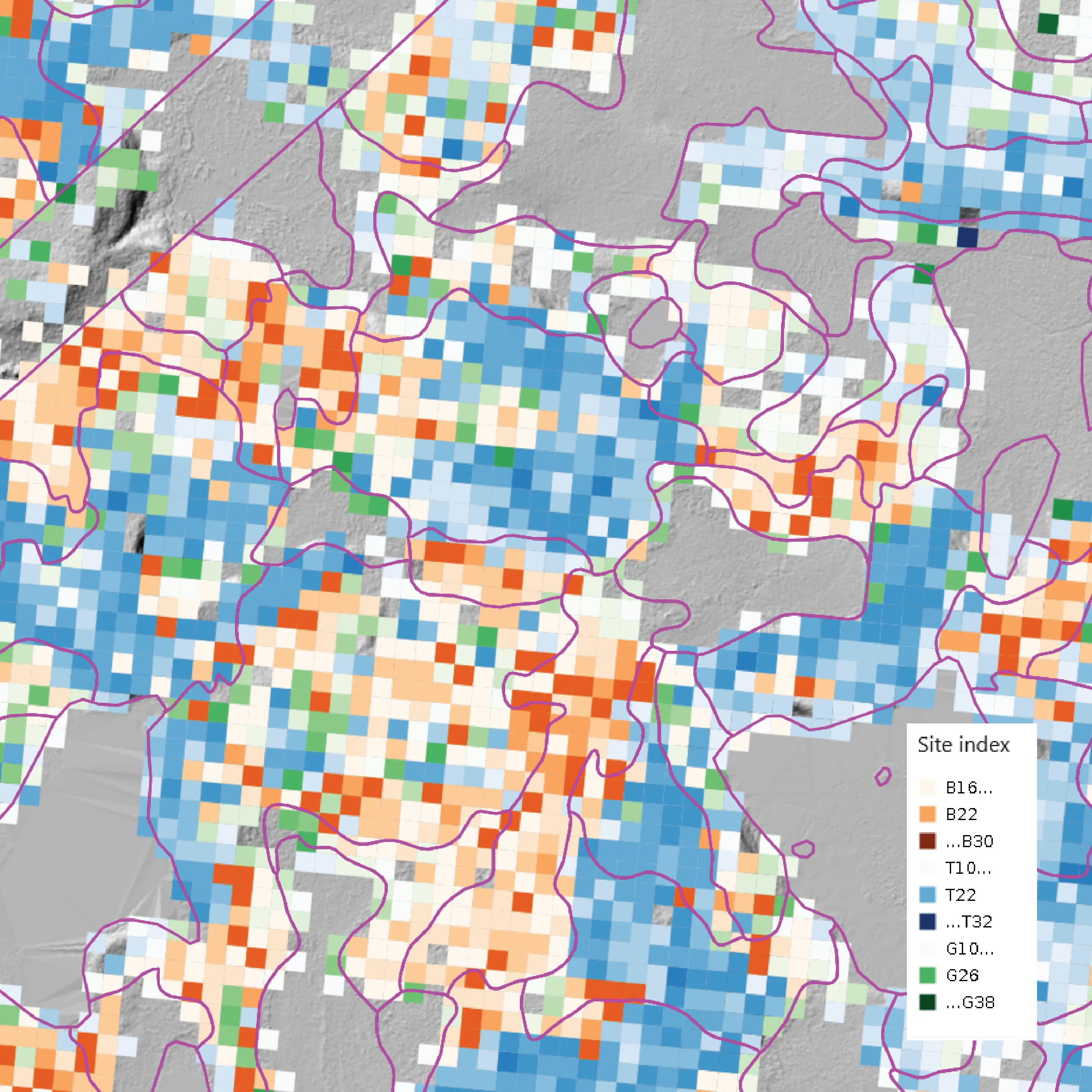
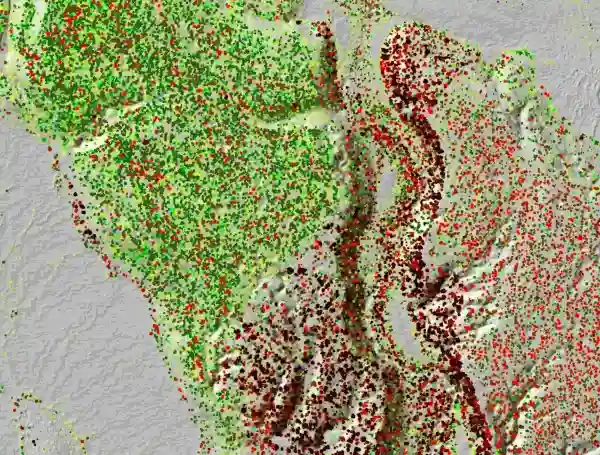
Arbonaut thinning index and stand analysis identify additional harvestable areas within existing sites, often increasing thinning area by 20–30%. Higher volumes per site improve supply consistency, reduce the need for machine relocation, and increase logistics efficiency. In Scandinavia, where around 8% of machine time is spent moving between sites, this directly reduces procurement costs.

Pain point
Mismatch between harvested timber and industrial requirements
Variation in raw material quality and stand composition can lead to suboptimal processing outcomes in mills. Without detailed pre-harvest information, procurement decisions may not align with current production needs or market demand. This reduces value recovery and increases inefficiencies across the processing chain.
Arbonaut's solution
Stand-level insights for better raw material fit
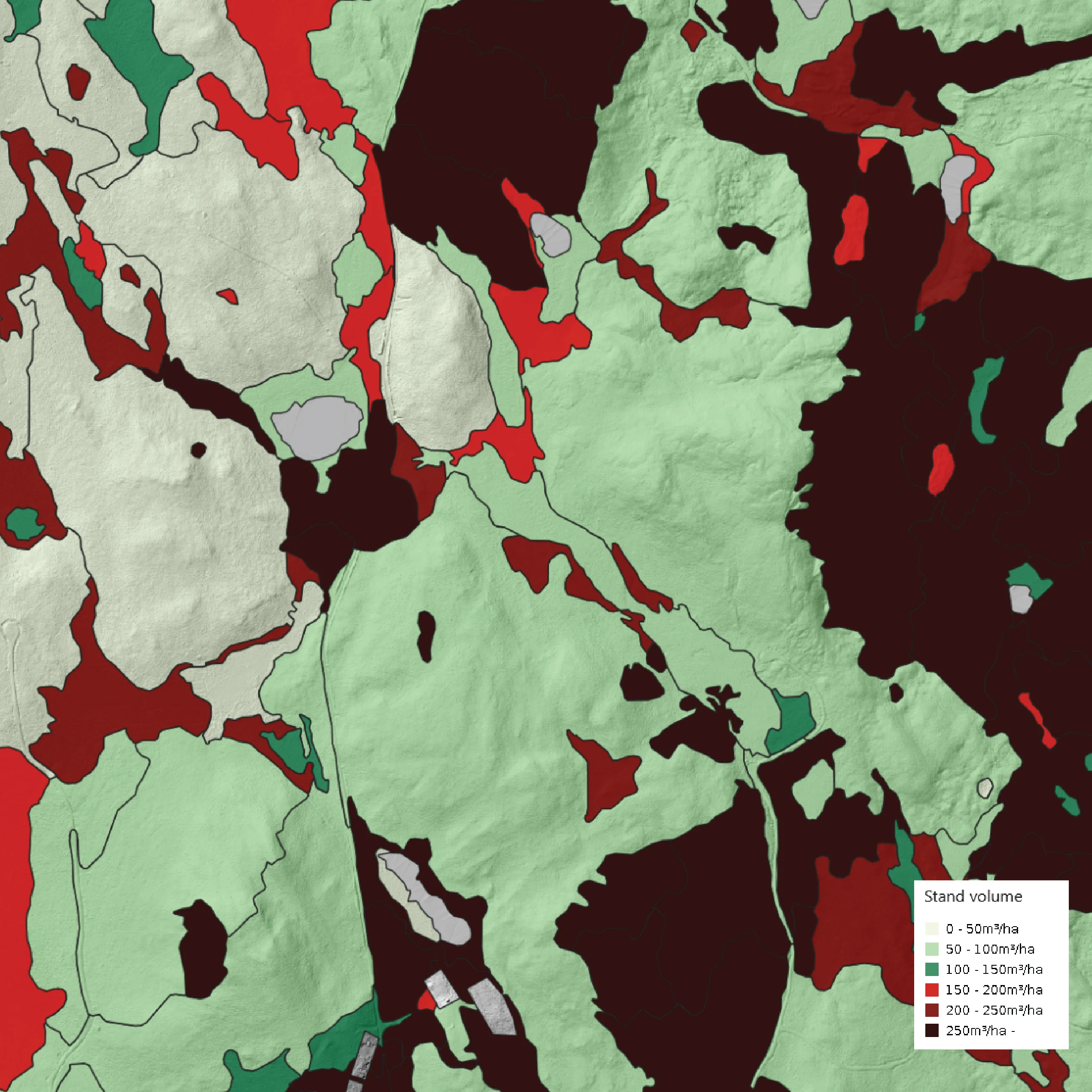
Arbonaut provides detailed stand-level data on species and dimensions prior to procurement. With Arbonaut-supported site selection, incoming raw material can be better matched to industrial requirements. This improves value recovery in processing.
Pain point
Cyclical pressure on sawmill margins
The sawmill sector is highly sensitive to market cycles, with long periods of compressed margins. During downturns, inefficient procurement decisions further impact profitability. Even small improvements in raw material selection can have a significant financial impact.
Arbonaut's solution
Maximizing value in down cycles
While market cycles are out of our control, with Arbonaut’s data, purchasing can focus on stands with higher value-added potential under current market conditions. Purchasing can focus on stands with higher value-added potential, improving performance particularly during low-profit periods.
The Forest Intelligence for Value Chains

Understand forest composition to support better management and investment decisions.
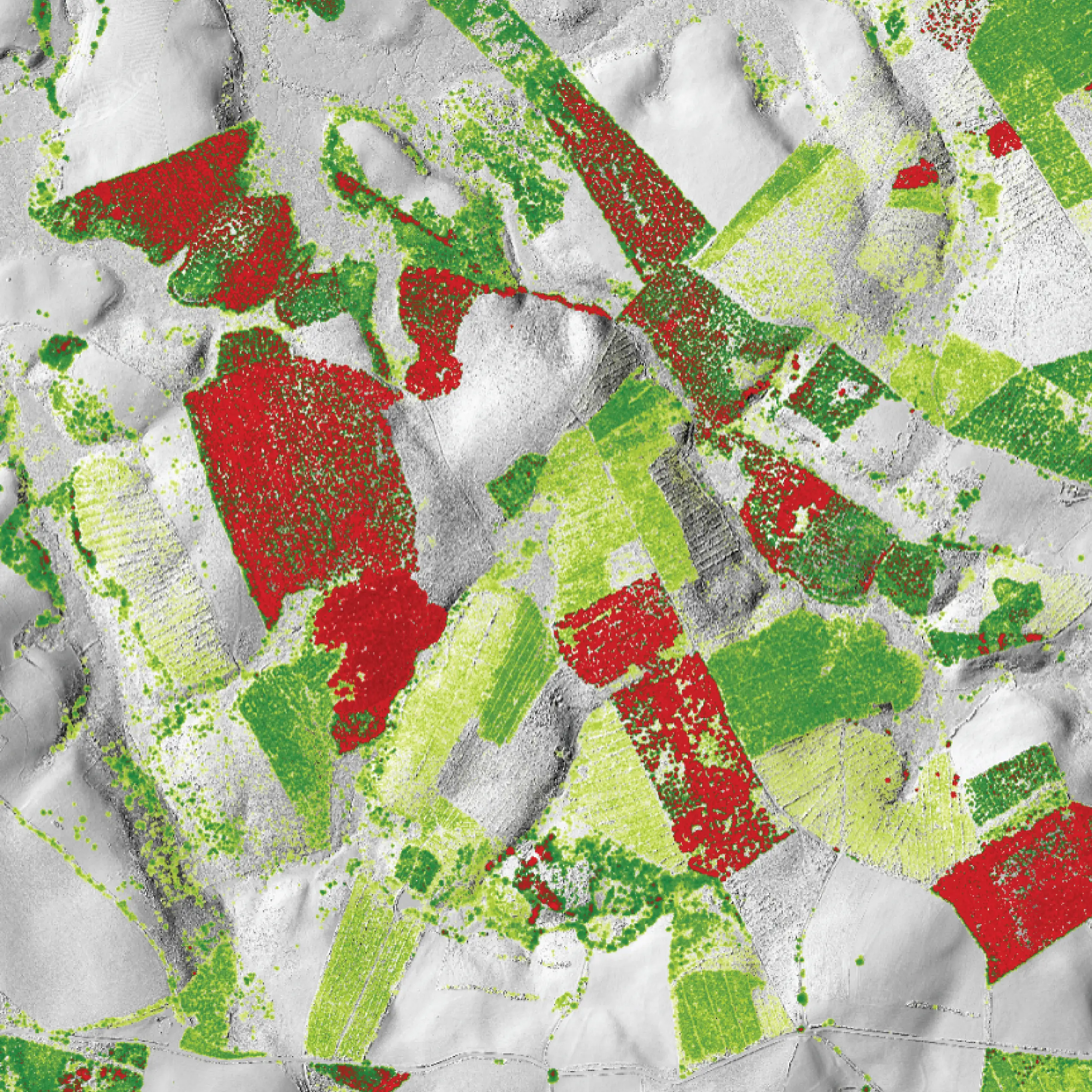
Look at detailed information on vegetation height.

Maximize forest value and quality growth with the right timing of thinning operations.
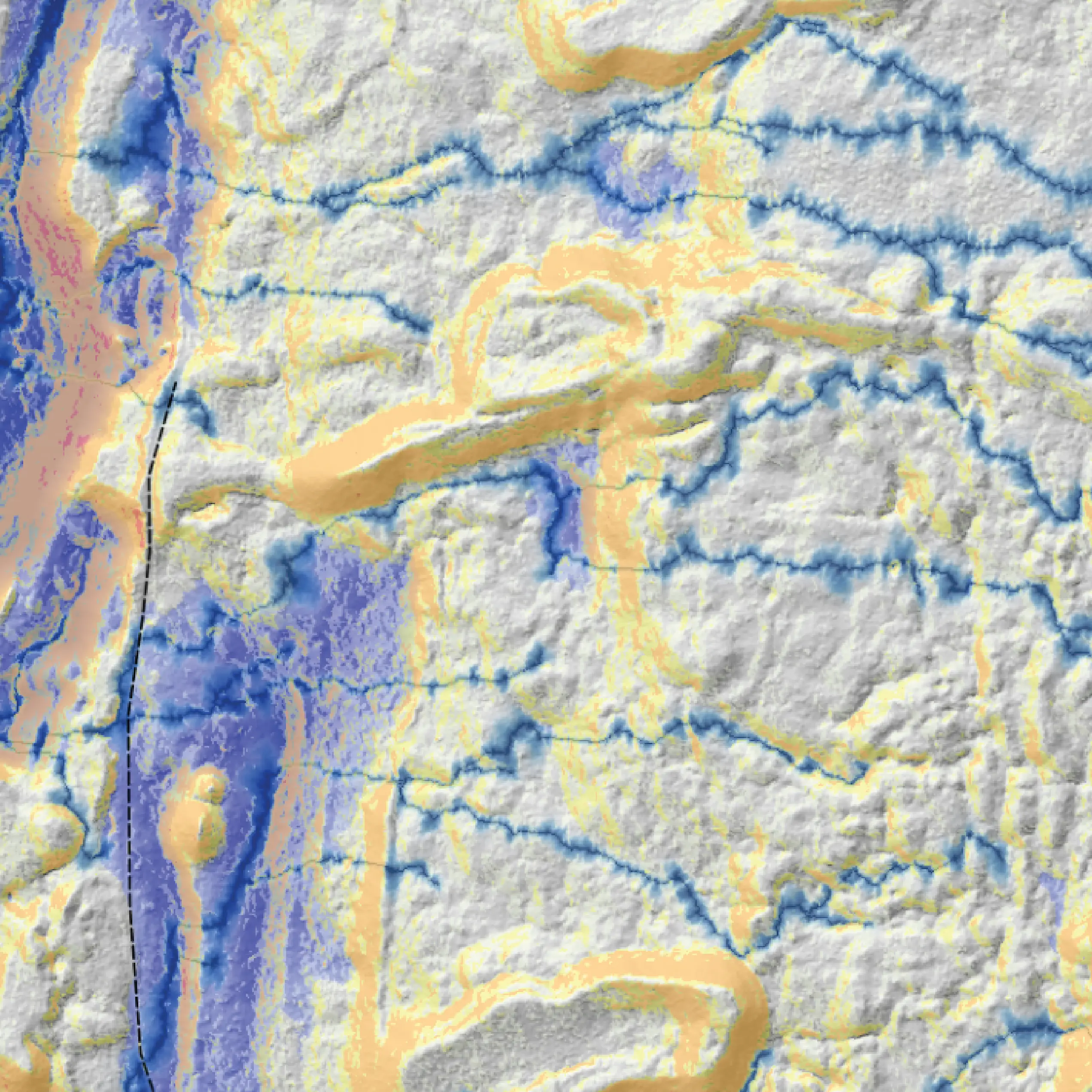
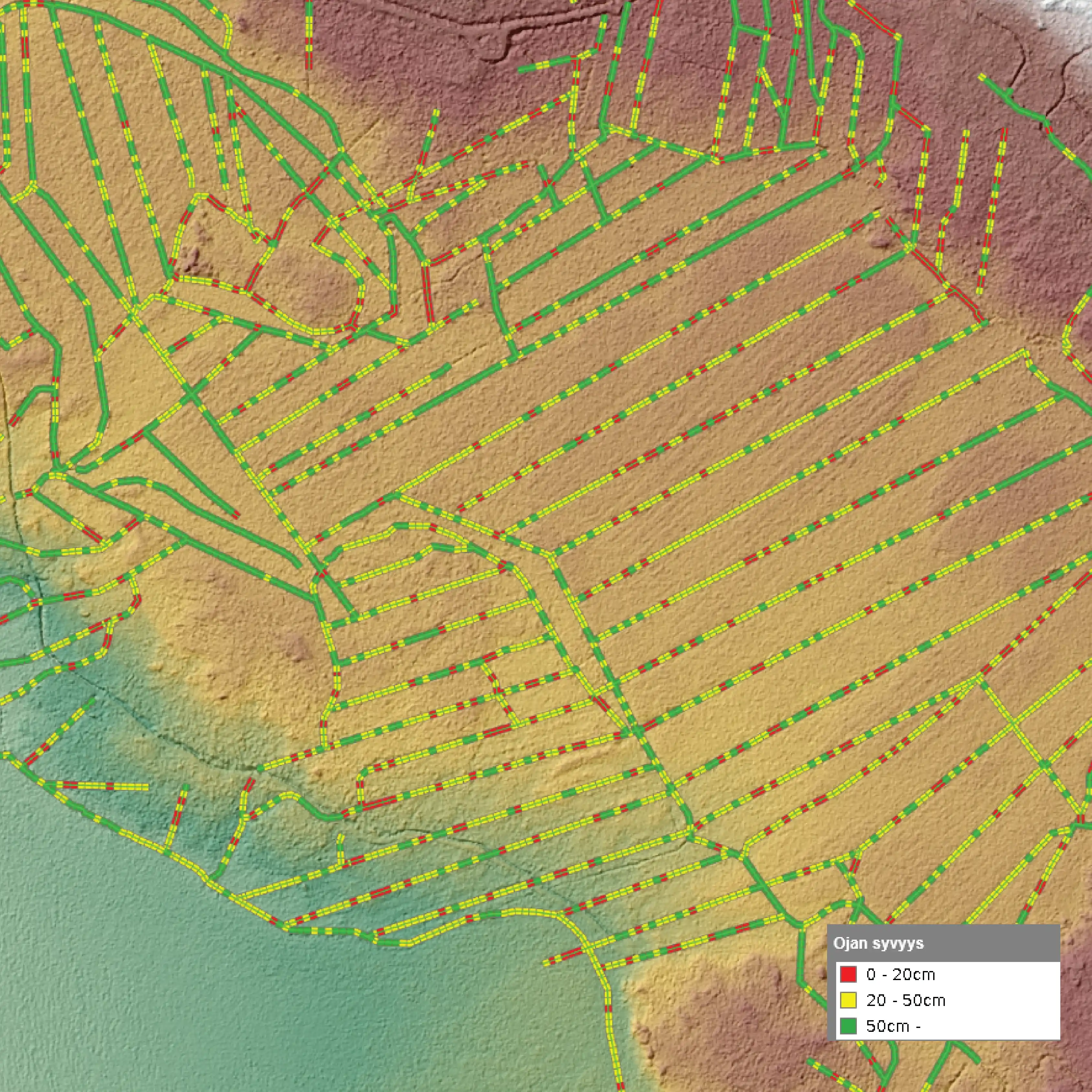
Examine terrain conditions and soil moisture for driving heavy machinery.

Understand slopes, elevations, and topography to improve management decisions.
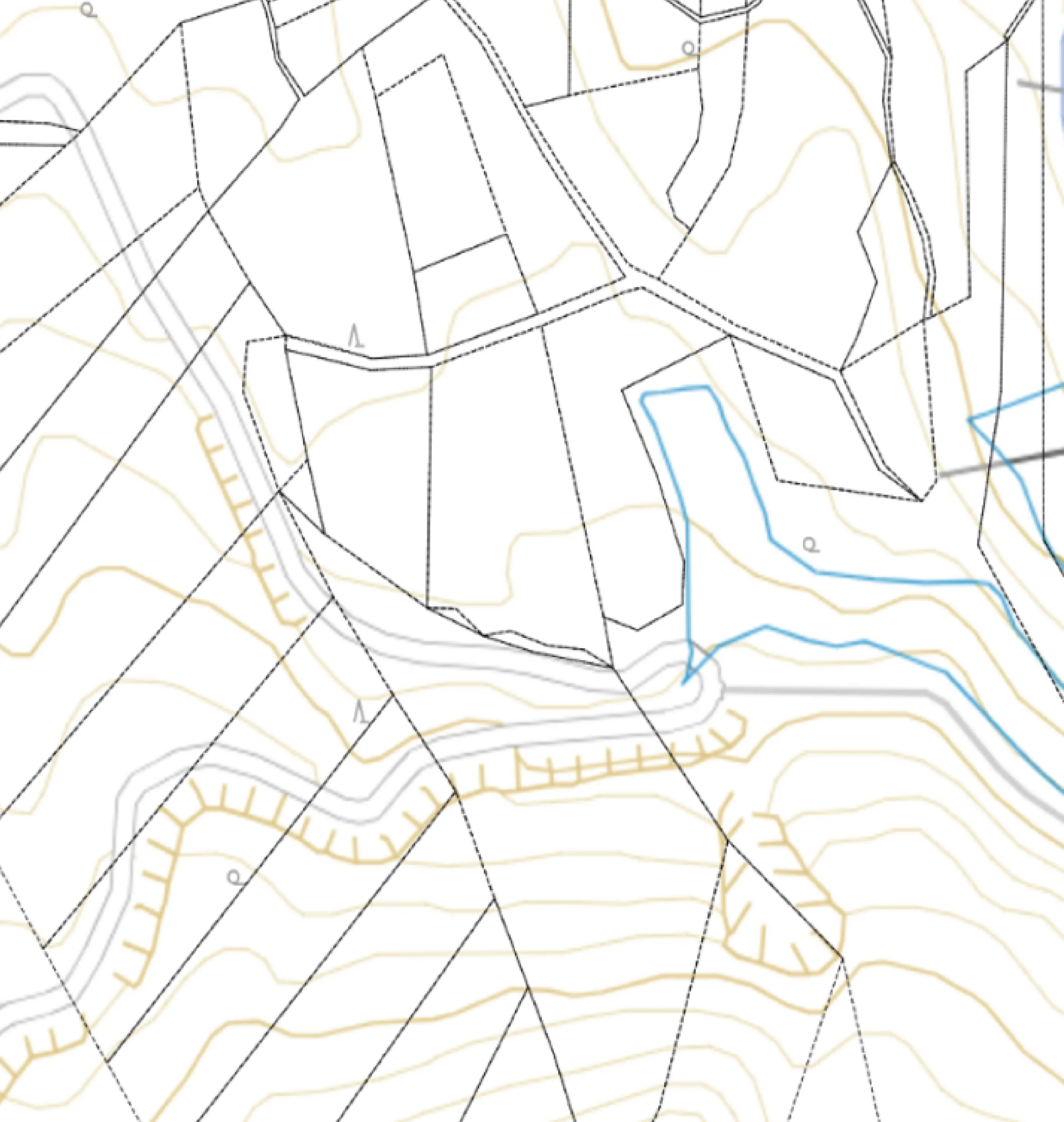
Recognize property limits alongside forest data for more accurate planning.
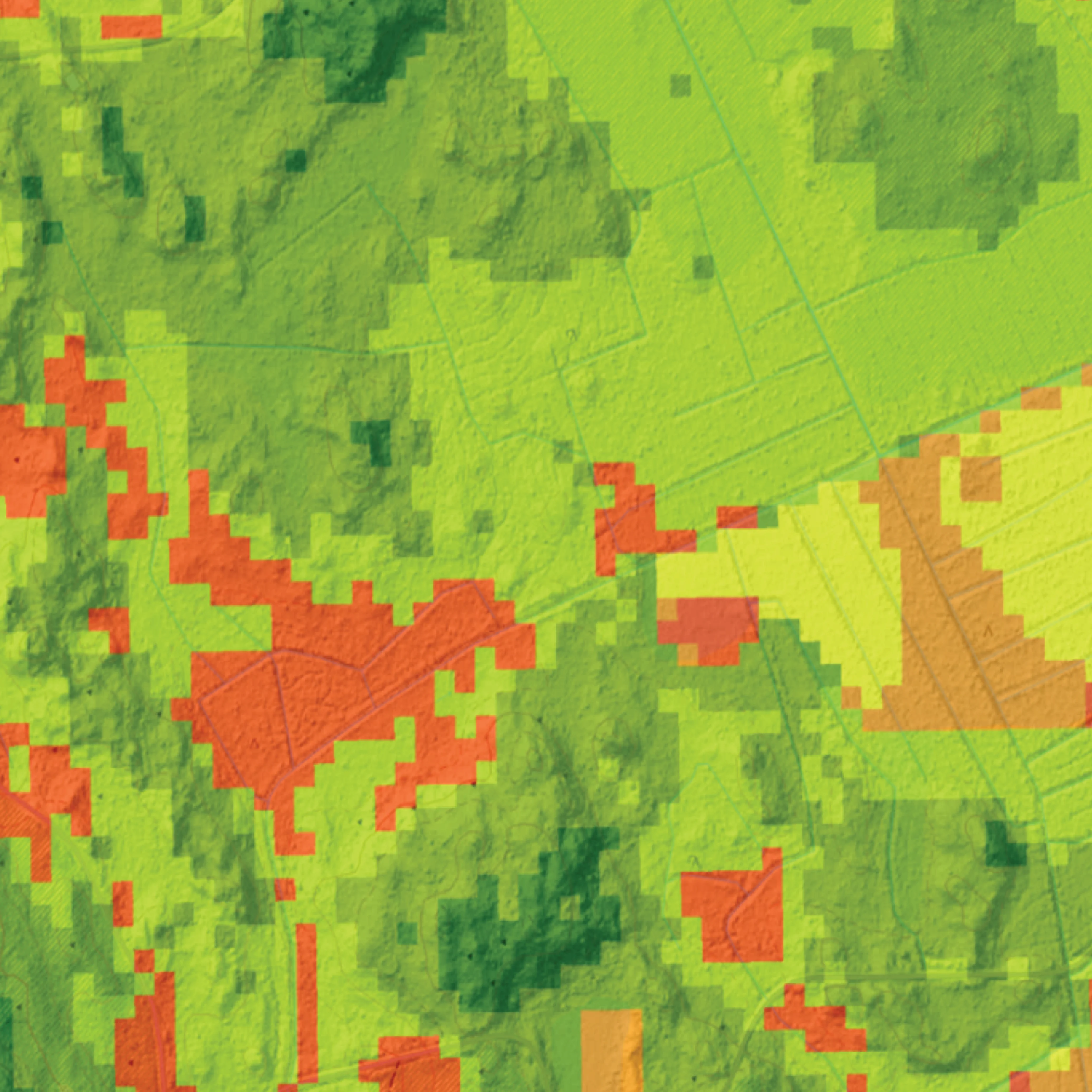
Plan year-round operations and optimize harvest for timber market demands.
Reduce Uncertainty Across Your Supply Chain
Gain reliable forest insights to support sourcing, planning, and long-term decisions. Arbonaut's full portfolio includes a wide range of additional map layers to meet your needs.




 Cookie Policy