


Biomass Pellet Industry: A Clean Energy Solution for Nepal
Background
The project aimed to reduce greenhouse-gas emissions in Nepal while creating employment, improving community well-being, and supporting gender equality in the Sarlahi and Mahottari districts.
Building a factory
At its core, the initiative introduced a new clean-energy solution through the establishment of a biomass-pellet factory designed to produce 20,000 tons of pellets annually. It was also designed as a viable commercial model: creating jobs, generating local economic opportunities, and offering communities a 10% equity share in the company.
The factory uses renewable biomass sourced from forest understory vegetation, grass, and agricultural or industrial by-products.
Arbonaut's contribution
By replacing coal and firewood, the project supported Nepal’s NDC commitments, contributed to climate change mitigation, and reduced fire risk by removing highly flammable forest biomass and helping restore healthier forest ecosystems.
Arbonaut was assigned to produce maps on forest understory biomass for pellets, forest monitoring, and fire risk reduction:
- LiDAR surveys of trees and understory vegetation across 13,500 hectares
- Updated biomass inventory for the Sagarnath forest region
- High-resolution biomass maps for understory and tree layers
- Annual burnt area mapping via hi-res satellite imagery
- Deployment of Arbonaut’s ProMS mobile app for sustainable biomass harvesting and planning forest fire mitigation
- A comprehensive training and capacity development for local stakeholders
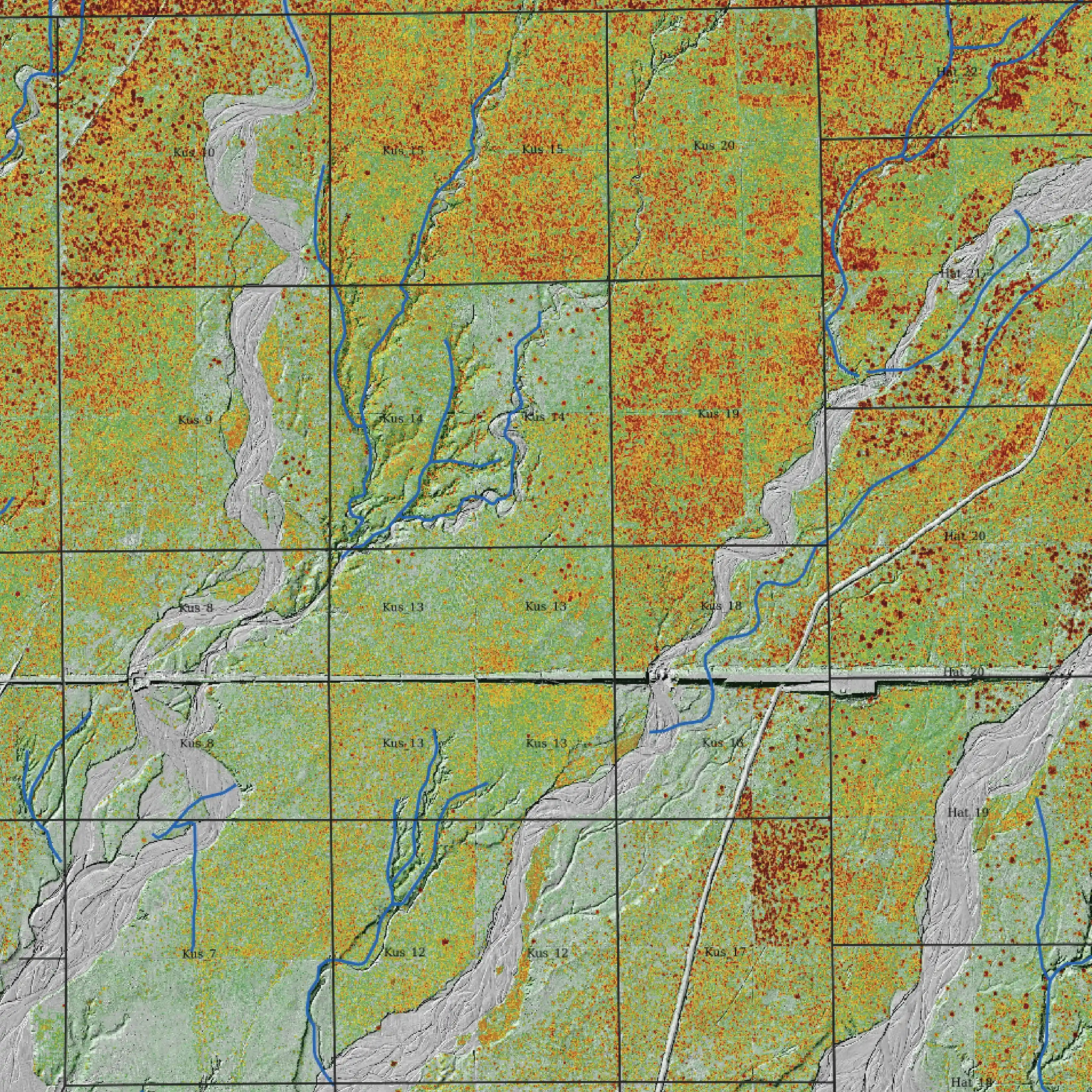
Canopy Height Model
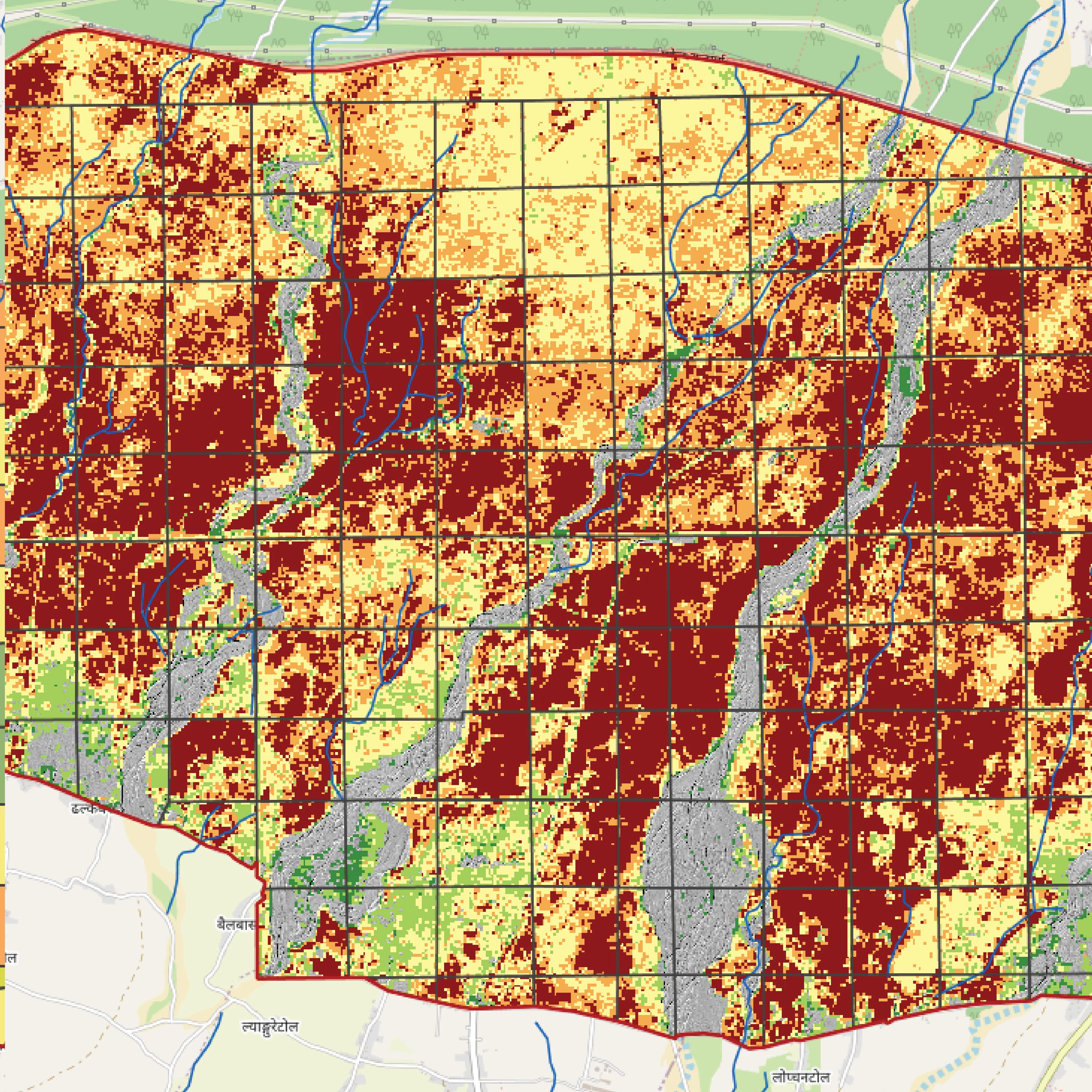
Shrub height
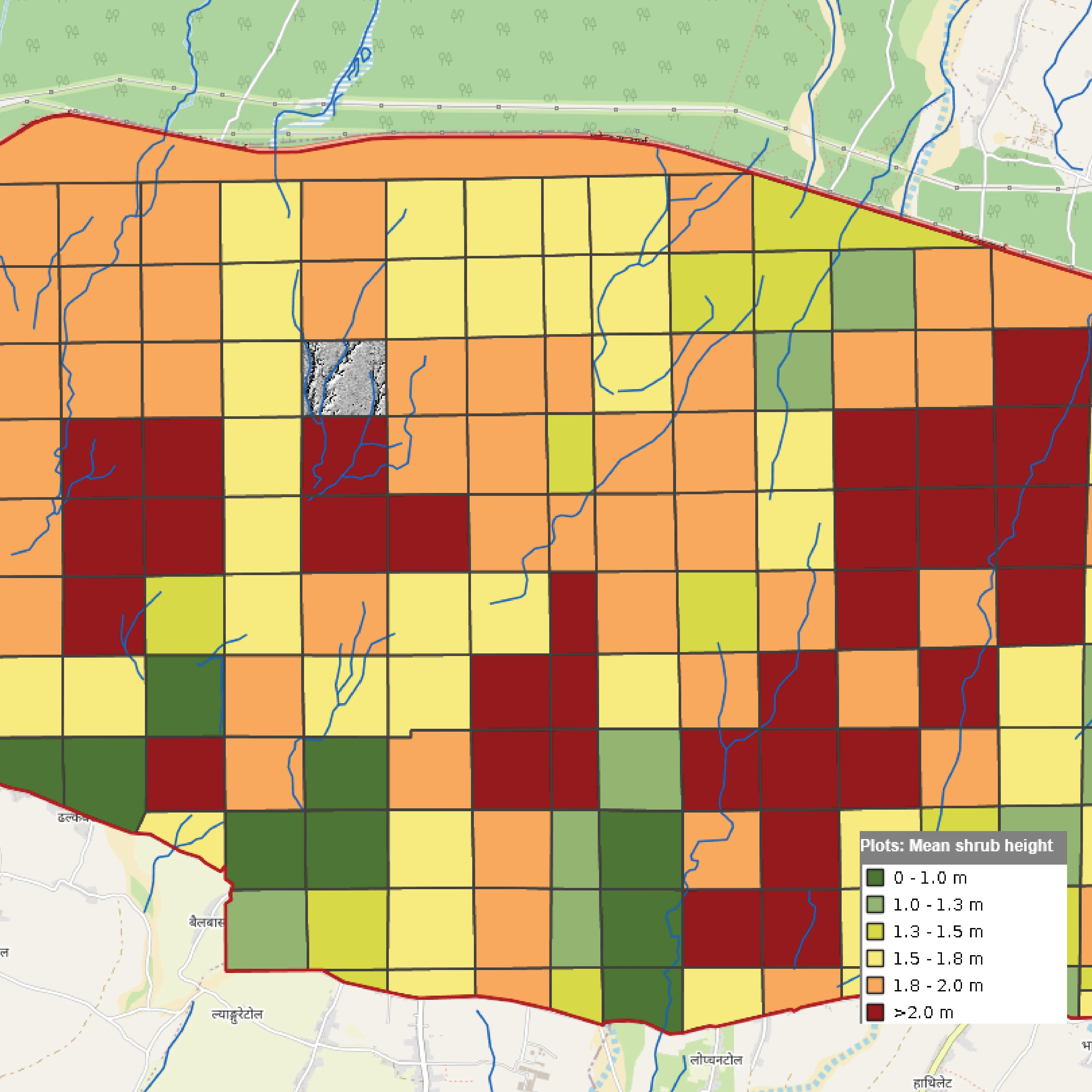
Mean height of the shrubs
Built on modern, proven technologies, the project demonstrated strong replication potential for other regions of Nepal.

 Cookie Policy