


Turning European Forest Innovation into Operational Wildfire Resilience

Protecting Europe’s forests starts before the flames appear
Wildfires are no longer a problem for one country, one region or one summer season. Across Europe, they threaten homes, livelihoods, ecosystems and local communities. IT4EST is working on solutions that help Europe act earlier, respond faster and recover better.
The project brings together technologies that can make a real difference on the ground: satellite and LiDAR monitoring to identify risks, AI sensors to detect fires at their earliest stage, drones to survey forests, advanced materials to support firefighting, digital platforms to coordinate emergency response, and smart tools to guide restoration after a disaster. These solutions are not being developed in isolation. They are tested with forest managers, authorities, emergency services and local stakeholders across Europe, while dedicated training helps people use new technologies effectively.
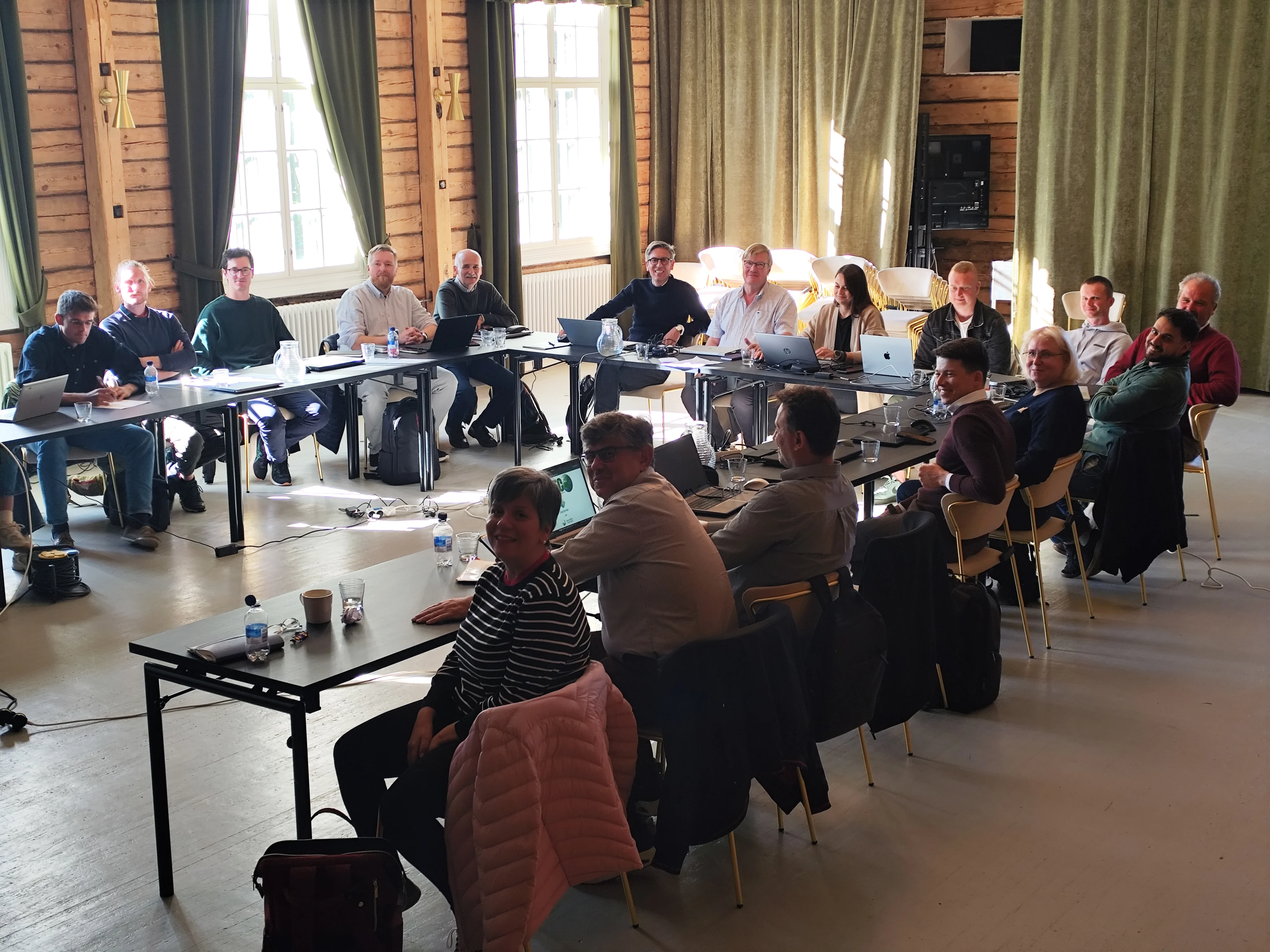
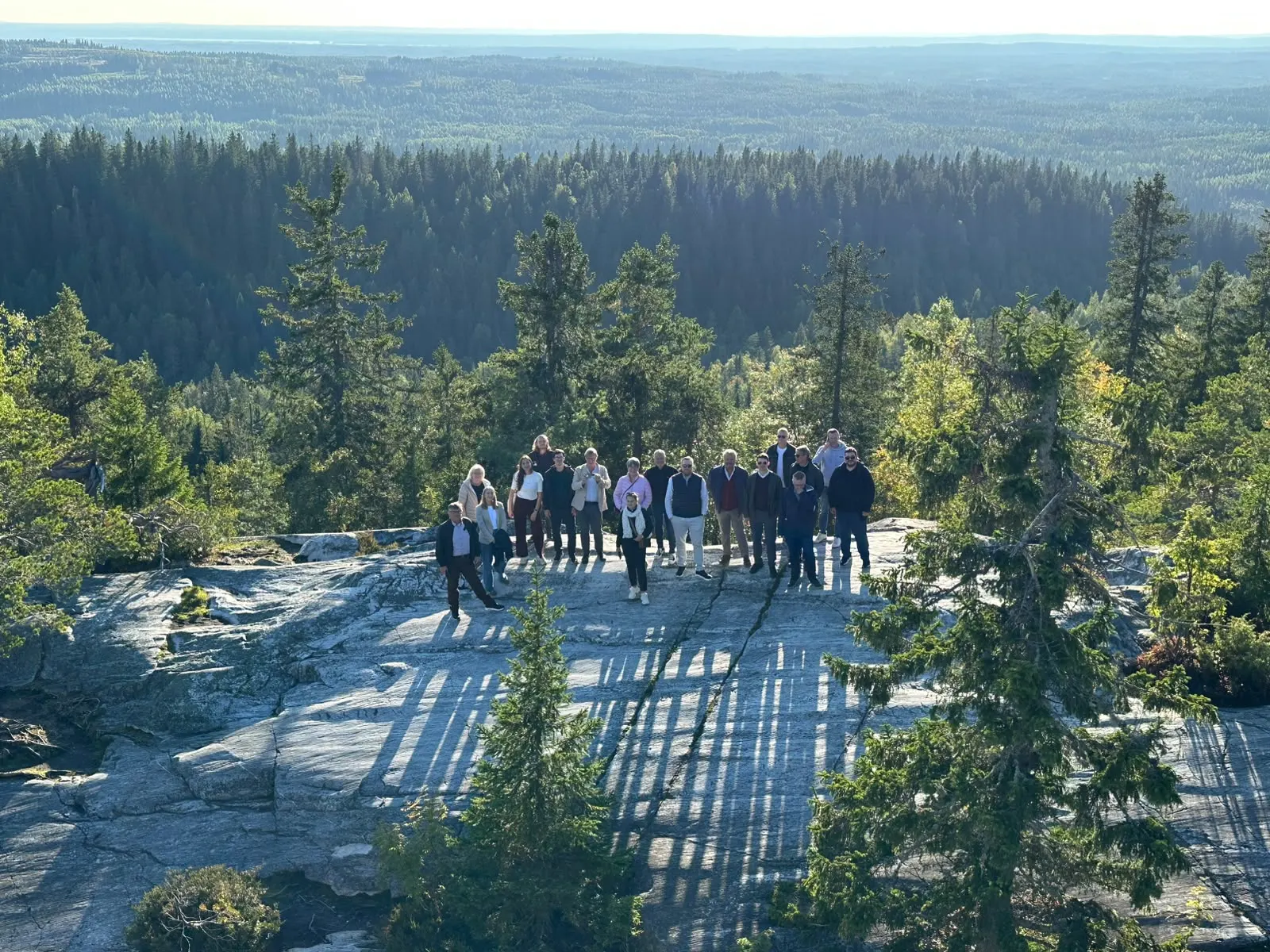
After its recent meeting in Joensuu, Finland, IT4EST is now focusing on the next step: turning successful pilots into solutions that can be replicated and deployed across European regions.
Because protecting Europe’s forests means protecting the people, communities and landscapes that depend on them — before, during and after the crisis.
As wildfires continue to affect lives, homes, ecosystems, farmland, infrastructure, cultural heritage and local economies across Europe, one message becomes clearer than ever: no country should face wildfires alone. Europe’s response must be collective, technological, operational and forward-looking.
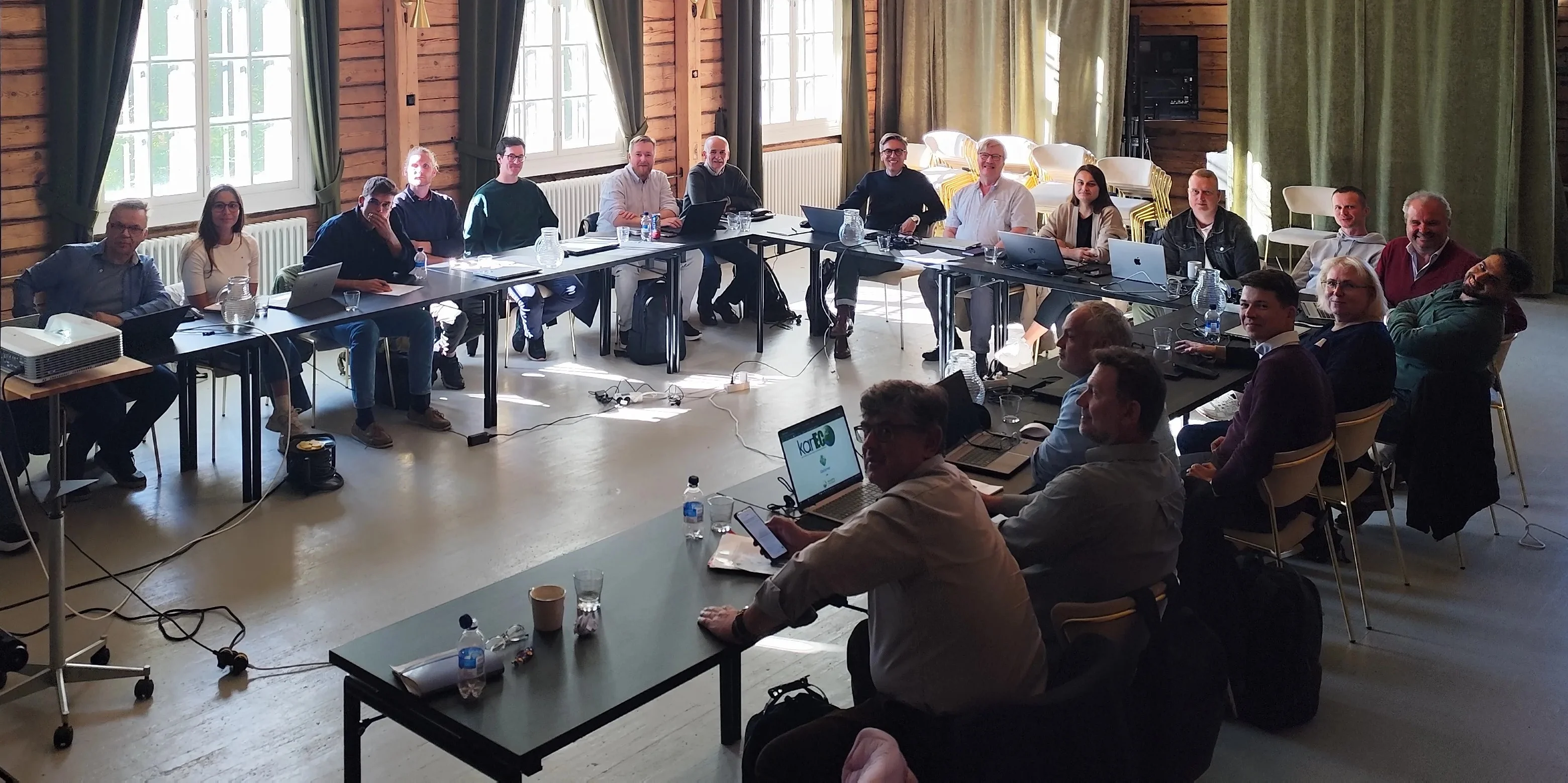
The recent IT4EST – Interregional Tech for Forest Sustainability half-term meeting in Joensuu, Finland, marked a key project checkpoint for the consortium: an opportunity not only to assess technical progress, but also to examine how the technologies, knowledge and operational models being developed can move towards concrete exploitation, wider deployment and uptake across Europe.
IT4EST, coordinated by the Democritus University of Thrace, is building a European Technology Deployment Platform for sustainable forest protection. Bringing together technology providers, research organisations, SMEs, forest managers, public authorities, regional actors, civil-protection stakeholders and training partners, the project addresses forest resilience across the full management cycle: prevention, preparedness, early detection, response, recovery and long-term resilience.
Its ambition goes beyond demonstrating individual technologies. IT4EST is working to connect these solutions into an operational European value chain, grounded in the needs of forests, forest managers, authorities and responders, and capable of being further replicated and deployed across different European regions.
IT4EST Partnership Network











Prevention, forest health and risk intelligence
Prevention lies at the heart of the IT4EST approach. Effective wildfire management begins well before the first signs of fire, with a clear understanding of forest conditions, vulnerabilities and evolving risks.
Through contributions from partners including Arbonaut, Forestry France and other members of the consortium, IT4EST supports data-driven forest management using LiDAR, satellite data, weather information, biomass and fuel-load mapping, forest-health assessment and fire-alerting tools. These technologies help forest managers and public authorities identify high-risk areas, prioritise preventive action and make better-informed management decisions.
The project also addresses the health status and evolution of forests in the regions where technologies are being tested. Drought and prolonged high temperatures can contribute to forest decline, while also favouring the spread of diseases and increasing insect damage. LiDAR, satellite and other information-gathering technologies therefore provide an important basis not only for wildfire-risk assessment, but also for understanding changing forest conditions and selecting appropriate management responses in time. In this sense, IT4EST treats wildfire prevention, forest health and sustainable forest management as closely interconnected challenges.
Early detection and first warning
When prevention is not enough, rapid detection becomes critical. IT4EST integrates SEBELO’s AI-powered wildfire early-detection sensors, designed to identify the chemical signature of fire before visible smoke or flames appear. Earlier warning can support faster first response, particularly in remote forest areas and at the wildland–urban interface, where even a few minutes can make an important operational difference.
Intervention and suppression
IT4EST is also validating BONPET, an advanced extinguishing and fire-barrier material that has shown promising performance in controlled forest-fuel tests, including reduced water consumption and residual protection against re-ignition. Such solutions can contribute to more efficient suppression strategies, improved use of available water resources and the creation of temporary defensive barriers ahead of advancing fires.
Aerial monitoring and operational intelligence
The GreenBee fixed-wing UAV system by THRUST, together with other drone-enabled solutions developed and tested within the project, strengthens large-scale forest monitoring by combining LiDAR, RGB and multispectral sensors.
These capabilities can support forest inventory, damage detection, operational planning, post-event assessment and carbon-stock estimation, while providing information that can be integrated with other IT4EST tools and decision-support systems.
Crisis coordination and decision support
Through platforms such as COncORDE by KonnektAble, IT4EST brings together field data, sensors, UAV inputs, public information and crisis-management workflows within a common operational picture. The objective is to strengthen real-time coordination, interoperability and evidence-based decision-making for civil-protection actors and emergency-response organisations, ensuring that technological information can be translated into operational action when a crisis unfolds.
Recovery, restoration and resilience-building
Post-event restoration tools within IT4EST are brought together through the Post-event Restoration Programme (PERP). The Programme integrates Earth Observation (EO), satellite data, machine-learning and deep-learning models to systematically monitor and guide forest recovery after wildfires and sanitary outbreaks caused by insects or disease. It combines post-fire restoration tools developed by kartECO with infected-area mapping solutions from Arbonaut.
Using Sentinel-2 and very-high-resolution imagery, remote-sensing index time series, machine-learning and deep-learning models, PERP provides outputs including burn-severity maps, infected-area maps, forest-species maps, forest-fragmentation indicators, ecosystem-recovery maps and tree-phenology indicators.
These outputs can support targeted restoration schemes, reforestation planning, biodiversity recovery, nature-based restoration and climate-resilience investments, transforming remote-sensing data into meaningful information for public authorities, forestry agencies, forest owners and managers, and forestry investors.
PERP is being tested and demonstrated through selected use cases in Greece, Portugal, Romania and Spain, with the aim of delivering operational, science-based insights for ecosystem restoration and resilience planning. A first round of demonstrations has already been implemented in Greece, Portugal and Romania, presenting solutions for post-disaster forest management.
Bridging innovation and real-world forest fire and sanitary needs
A central principle of IT4EST is that technological innovation must respond to actual forest-management needs and requirements if it is to have lasting impact. Three forest-management companies — Florecha in Portugal, Ocolul Silvic Vlasia in Romania and Forestry France in France — play an important role in connecting technology development with conditions in the field.
These partners contribute field data that help the consortium refine and develop its technologies. Field campaigns were completed in Portugal, Romania and France in 2025, while further campaigns in Spain and Lithuania are being completed by the end of summer 2026 through the shared efforts of the consortium.
The forest-management partners also host and co-organise demonstrations and workshops, bringing the technologies directly to relevant stakeholders and prospective users within their networks. The feedback gathered through these activities helps the consortium refine the solutions further, assess their practical relevance and accelerate their route towards wider operational and market uptake.
This interaction between technology providers, research organisations, forest managers, authorities and users is fundamental to the IT4EST model: the project is not developing technologies in isolation, but testing how they can work within real forest-management and civil-protection environments.
Training, capacity building and operational readiness
Technology deployment also depends on people having the knowledge and competences needed to understand and use new tools effectively.
The IT4EST Learning Programme consists of five targeted training modules, each designed for a specific professional or user group: municipalities, land planners, forest managers, fire professionals, and non-specialists such as NGOs, educators, students, landowners and volunteers.
Across the five modules, participants develop technical, analytical, organisational and communication competences related to forest-risk management, combining knowledge of forest-fire and disease risks with the practical use of IT4EST digital tools. The modules are designed as accessible asynchronous e-learning, complemented by supporting materials, webinars and an online Q&A service, with a final assessment quiz leading to certification.
A European response before, during and after the crisis
The wildfire emergencies experienced across Europe underline that the future of Civil Protection cannot rely only on response after disaster strikes. Europe needs stronger prevention and healthier forests, earlier detection, better risk intelligence, smarter use of water, integrated crisis-management platforms, well-trained users and responders, and scalable tools for post-event restoration.
IT4EST contributes to this vision by connecting innovation with the real needs of regions, forest managers, authorities and responders across the entire forest-protection value chain. Every partner contributes to this shared objective, whether through technology development, data collection, forest management, testing, demonstrations, training, stakeholder engagement, exploitation or replication.
The project also demonstrates how the I3 Instrument can help mature technologies, SMEs and regional innovation ecosystems progress from pilots and test beds towards investment-ready solutions and stronger European value chains.
Following the Joensuu half-term checkpoint, the consortium is therefore looking not only at what has already been developed and demonstrated, but at the next stage: how these technologies and approaches can be further refined, integrated, exploited, replicated and deployed across Europe.
As Europe stands together against wildfires and wider threats to forest health, IT4EST stands ready to contribute through science, technology, field knowledge, operational validation, training and cooperation.
Because we protect what matters — before, during and after the crisis.


 Cookie Policy