


Inside the Swedish Forestry Market: Interview with Jussi Posio

Sweden is often regarded as one of the world's leading forestry nations alongside Finland. Yet today, forestry sector faces growing expectations around biodiversity, sustainability, traceability, and climate resilience, while still being expected to improve efficiency and competitiveness.
These demands require more than new practices. It requires a new generation of forest information and decision-making tools.
Drawing on years of experience working with Swedish forestry organizations, Arbonaut’s Sales & Business Development Director Jussi Posio shares his perspective on the trends, challenges, and opportunities shaping the Swedish forestry.
Why Sweden Has Become a Forestry Benchmark
Sweden’s reputation as a forestry leader has been built on a combination of abundant forest resources and a forest sector that plays a major role in the national economy. Like Finland, forestry and forest industry have long supported economic growth and rural development.
Nordic forestry also operates under unique conditions. Long transportation distances and relatively small but high-quality trees require operations and industrial production to be exceptionally efficient to remain competitive in international markets.
This need for efficiency has created fertile grounds for innovation. Over several decades, Sweden has developed world-class expertise in:
- Forest management
- Harvesting technology
- Timber logistics
- Digital forest information
Similar to Finland, Sweden turns forestry innovation into a natural part of the Nordic operating environment.
New Pressures Are Reshaping Swedish Forestry
Nowadays, public discussion emphasizes biodiversity, conservation, and the environmental value of forests. At the same time, forest owners want to retain the freedom to manage their forests according to their objectives, while industry continues to compete for limited wood resources.
European regulation and certification schemes add another layer of complexity across the forest value chain. Sustainability reporting, traceability requirements, and environmental considerations have become more important.
The ability to measure, analyze, and verify this information is a strategic capability rather than simply an operational necessity. Forest owners and organizations need better visibility of their forest assets, not only about the amount of timber but also about:
- Standing and lying deadwood
- Old-growth forests
- Broadleaved forest concentrations
- Land productivity
- Accessibility for machinery
- Timber assortments such as pulpwood and sawlog yield

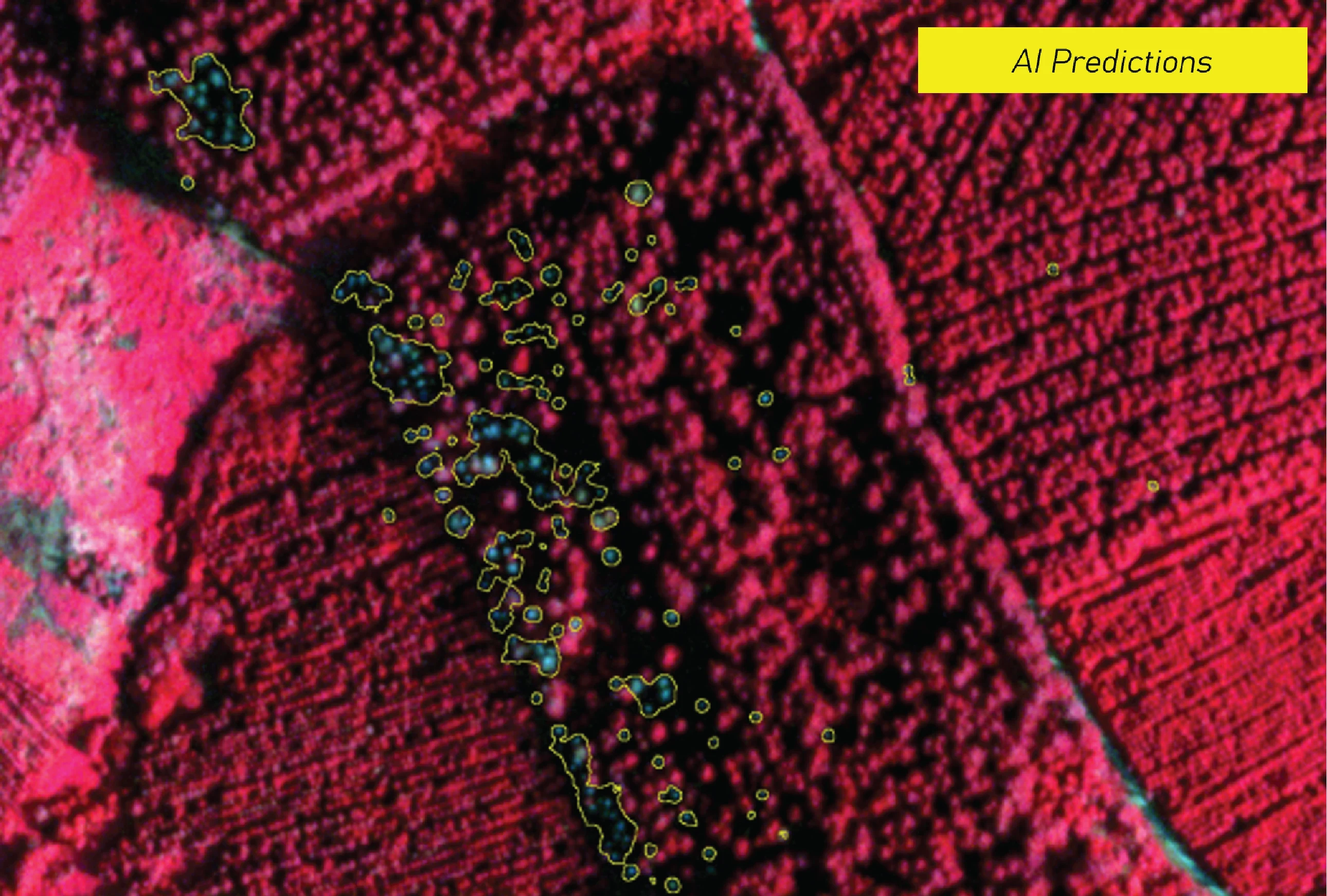
"Questions that were once difficult to answer before field vists are now becoming measurable with emerging technology. Forest owners and industry need reliable information before operations begin, not after." — Jussi Posio, Sales & Business Development Director at Arbonaut
Why Forest Information is Becoming More Important
Perhaps the most significant shift in Swedish forestry is the increasing need on digital and remotely sensed information for decision-making.
Forest organizations are expected to manage complex operations while working with the same or fewer personnel than a decade ago. At the same time, the information needs are evolving in volume and precision.
"Arbonaut’s philosophy and a message to Swedish forest sector is this: tasks that once required extensive fieldwork can be done in digital space. The result is efficiency improvement potential and better use of limited resources." — Jussi Posio, Sales & Business Development Director at Arbonaut
Different Paths to Digital Forestry
Still today, Swedish forestry relies more heavily on traditional fieldwork when making management and operational decisions.
Finland, meanwhile, has faced stronger economic pressure to adopt remotely collected and analyzed data. According to Jussi, the amount of roundwood purchased per wood buyer can be 50 to 100% higher in Finland VS Sweden.
Public investment has also influenced the development of digital forestry. Jussi estimates that the Finnish government invests annually approximately ten times more in national forest inventory information than the Swedish government. As a result, freely available public forest data in Sweden does not provide the same level of support for operational digitalization.
Swedish forest industry organizations, investors, and large-scale forest owners in Sweden therefore need to invest more in refining and analyzing forest data internally or with external service providers, such as Arbonaut.
Managing Forests for Multiple Objectives
Continuous-cover forestry is gaining more interest over traditional even-aged forest management approaches. New market mechanisms are emerging to create new ways to connect ecological improvements with financial value.
As a result, Sweden has already seen its first biodiversity credit transactions. It indicates that measurable biodiversity gains could become part of how forest assets are evaluated.
Climate adaptation is another important priority. Sweden is investing heavily in forest tree breeding are more common in response to climate change. Over the past decade, the country has experienced drought, bark beetle infestation, and weather extremes more extensively than Finland.
"Decisions can no longer be based on timber production alone. These developments expand the range of needed information and tech." — Jussi Posio, Sales & Business Development Director at Arbonaut
Choosing the Right Data and Strategy
Jussi sees two main data-driven approaches emerging in Swedish forestry.
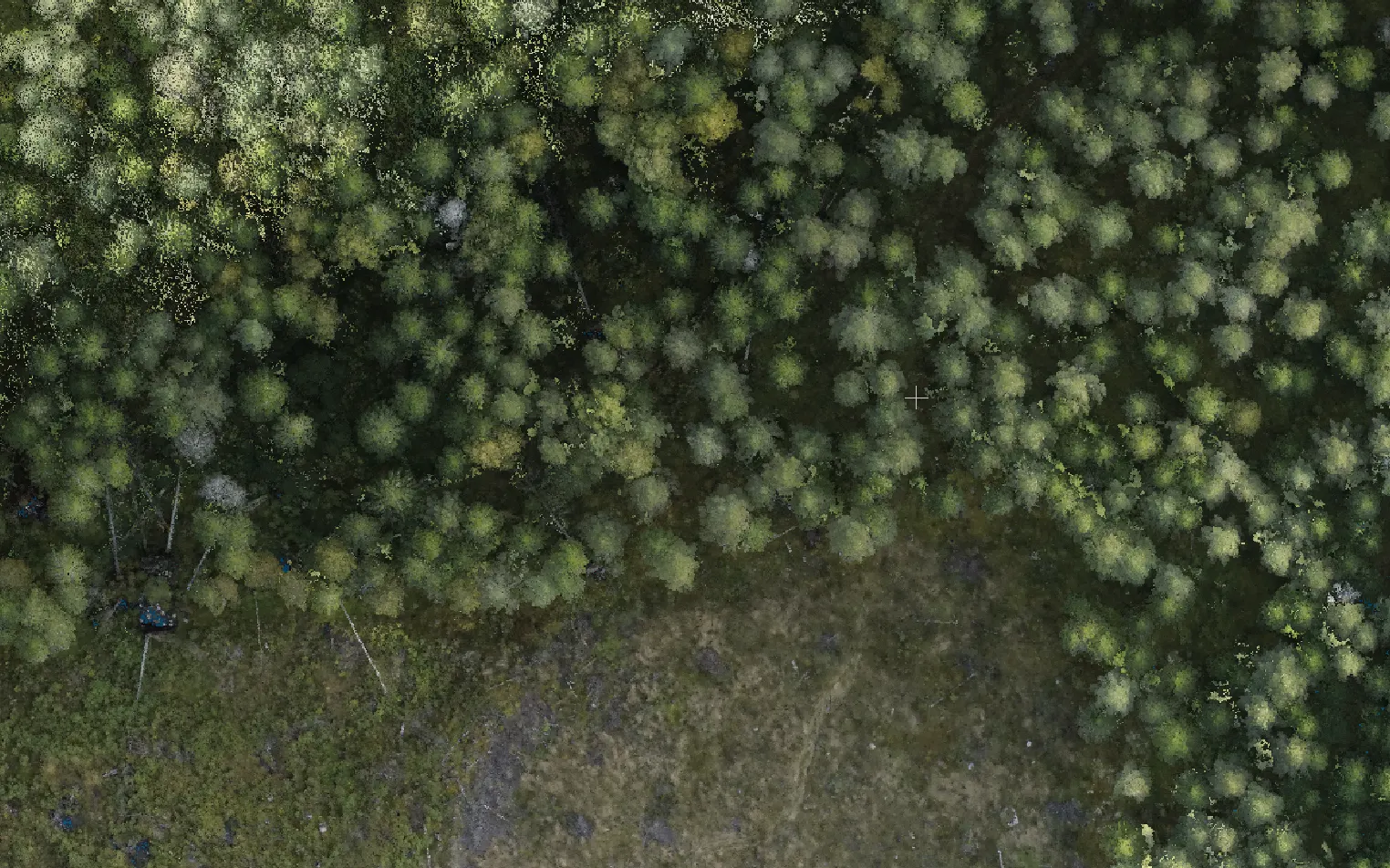
- Ultra-precise data with AI
Because forest ownership is generally more concentrated in Sweden, professional forest owners can justify greater investment into high-quality data and analysis per hectare. As a result, they get:
- More automated planning processes from forest to mill gates
- Improved operational efficiency across the value chain
- Better optimization of raw material flow between forests and sawmills
- A return on investment (ROI) in less than year with aforementioned changes
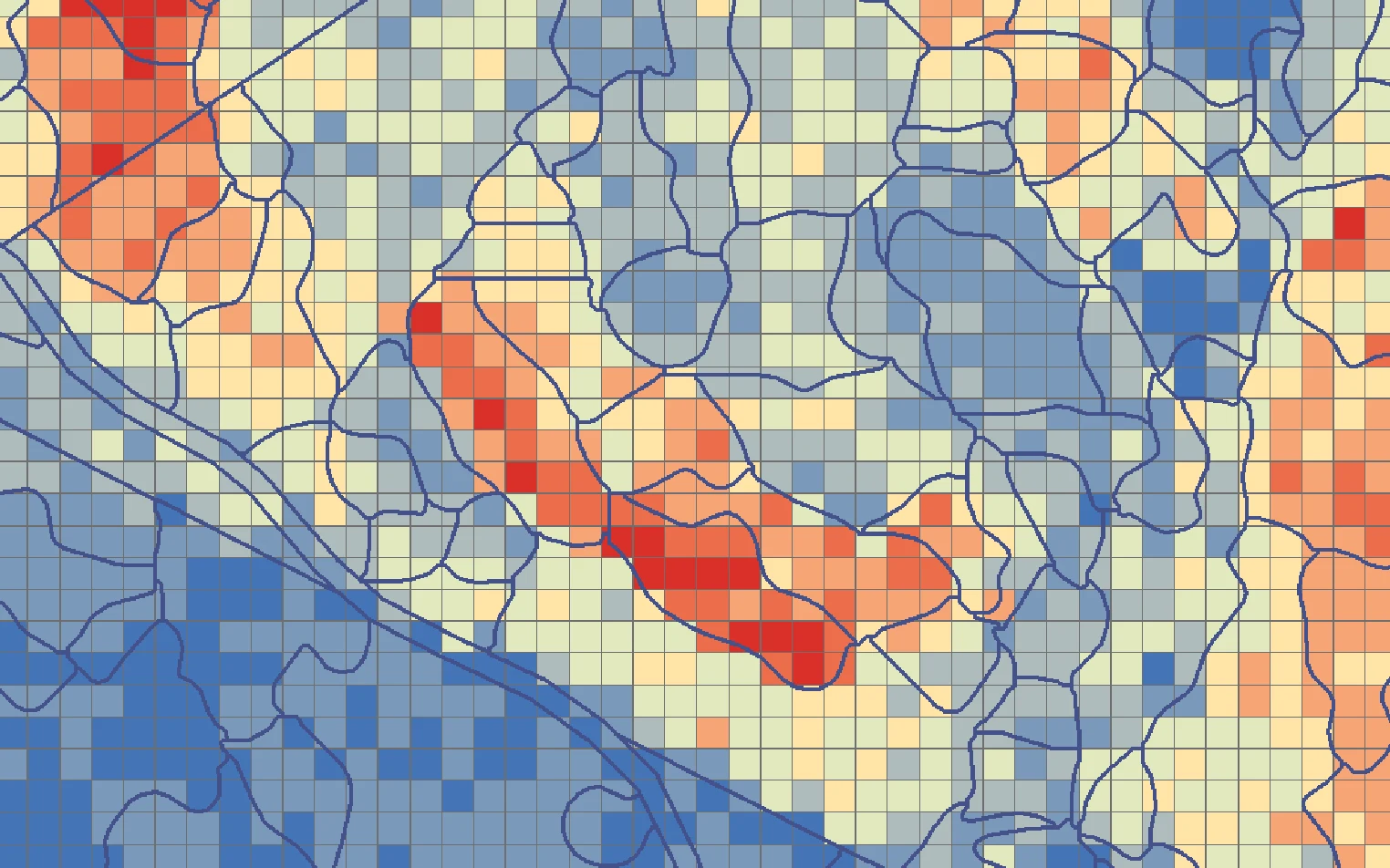
- Scalable, multi-source AI-analysis
It allows organizations to build broader situational awareness without making the same level of investment per hectare.
- Combination of multiple open datasets
- Lower implementation costs
- Broad scalability
- AI-supported decision making based on different data sources
 |
 |
 |
|---|---|---|
| Area-based | Tree-level | Hyper-resolution |
| ≤5pts/m² | 20 pts/m²> | 1000 pts/m² |
|
|
|
Both approaches have clear value, but they address different needs and forestry segments.
"The real question is not whether to use AI. The question is what data you combine it with and what decisions you want it to improve." — Jussi Posio, Sales & Business Development Director at Arbonaut
The right choice depends on the organization’s objectives, scale, ownership structure, and operational requirements, and available resources. The key is to adjust the AI analysis and data sources according to the needs of the organization.
What Other Countries Can Learn from Sweden
One of the strongest features of the Swedish forestry sector is its ability to respond proactively to changing conditions.
Key strengths include:
- Strong collaboration between industry, research, and universities
- Access to investment capital
- Active startup ecosystem
- Openness to new approaches and technologies
Initiatives such as the Mistra Digital Forests demonstrate how coordinated investment and collaboration can accelerate innovation across the sector. Most importantly, these conditions increase the likelihood of breakthroughs.
Better Decisions Start with Better Information
Even small improvements can have a meaningful impact.
There remains considerable potential to improve forestry operations through better use of existing data and AI-driven analytics. The challenge is ensuring that it is clearly connected to everyday decisions.
In practice, digital transformation is much easier to embrace with tangible benefits:
- Saving time
- Reducing uncertainty
- Improving planning quality
- Less fieldwork
- Support for long-term decisions
"When a forest professional sees how one improved piece of information saves even 30 minutes of work per day, or streamline workflows, it makes all the difference. In the long term, even the sky in the field of forest information and automation is not the limit." — Jussi Posio, Sales & Business Development Director at Arbonaut
If Sweden’s history is any indicator, the sector is well-positioned to continue leading the transformation. Strong collaboration opportunities, a culture of innovation, and a willingness to challenge established practices are a solid foundation for the next generation of forestry solutions.

 Cookie Policy