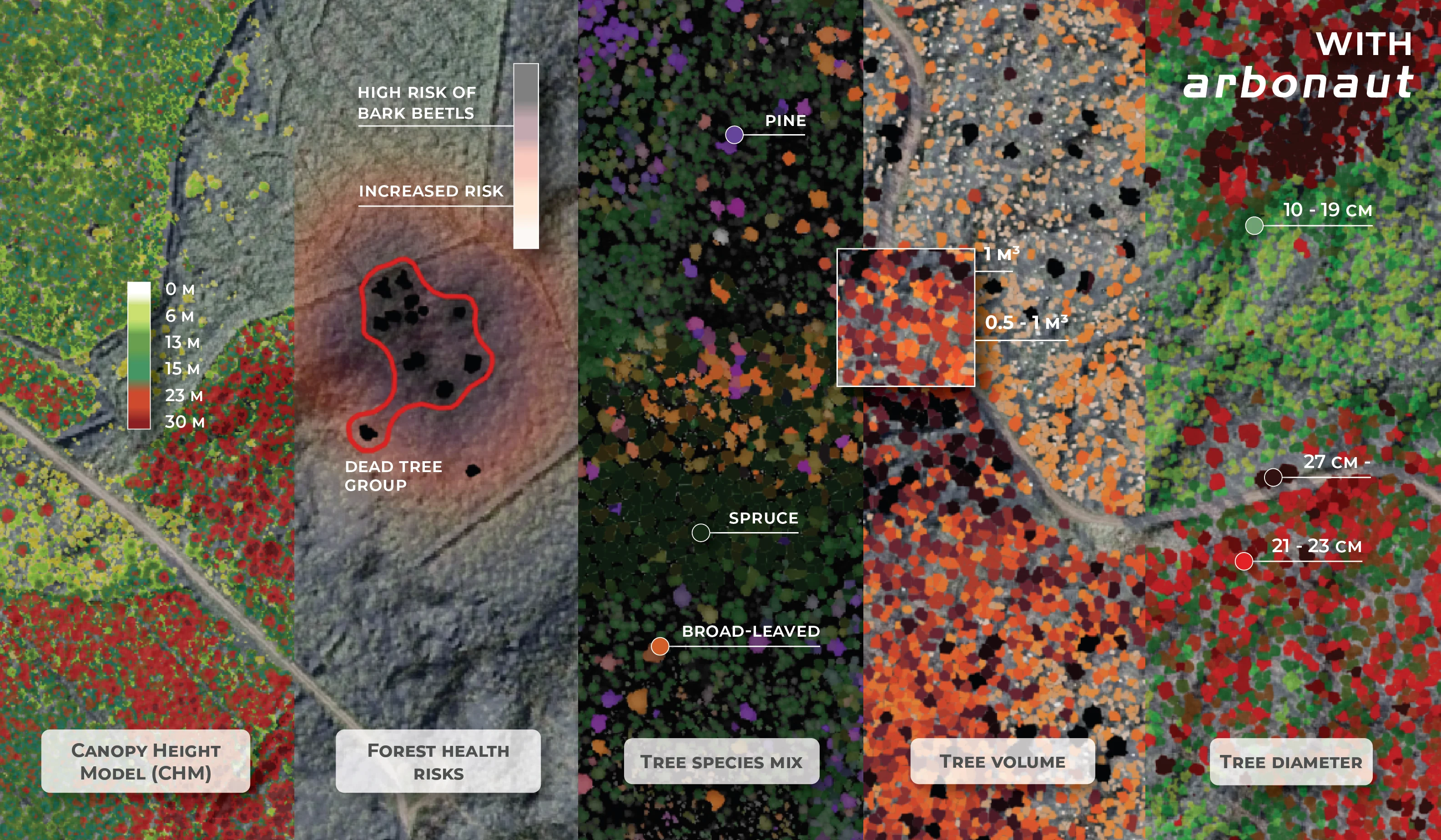
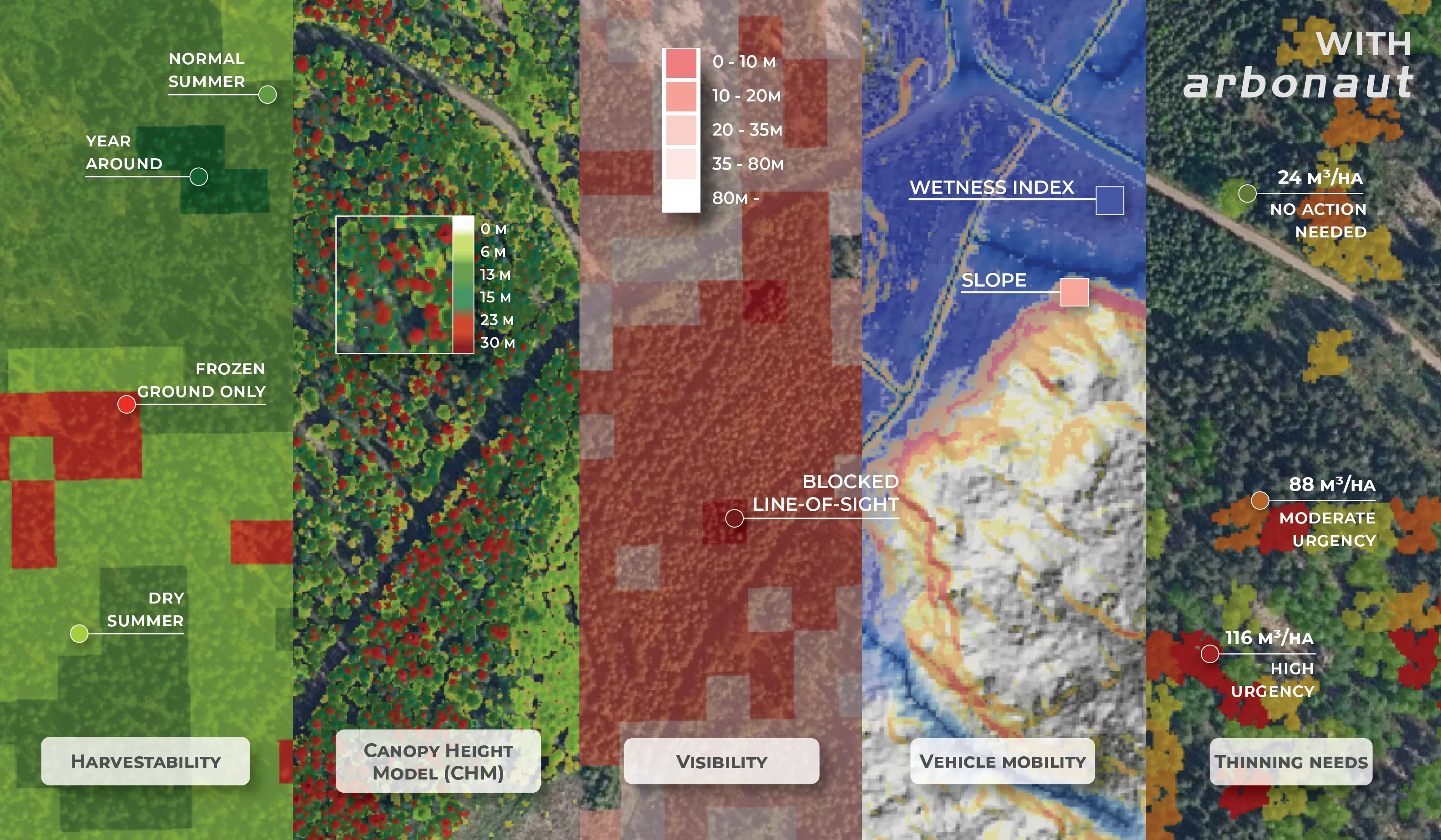
With Arbonaut’s analysis, we save several hours of planning work per logging site without entering the forest. We can accurately identify timber volumes, as well as deadwood, broadleaved dominance and other biodiversity indicators.
Nils Eliasson, the CEO | Älvdalen Besparingsskogs
I have experienced a very constructive and successful collaboration with Arbonaut for the development of the Forestry Monitoring and Evaluation System, a digital solution specifically customized for the needs of the Rwanda Forestry Authority. Arbonaut demonstrated their commitment to achieving their task professionally while providing good advice and adapting to the local context.
Jacques Peeters, Forest Management Expert in Rwanda Ministry of Environment | ENABEL
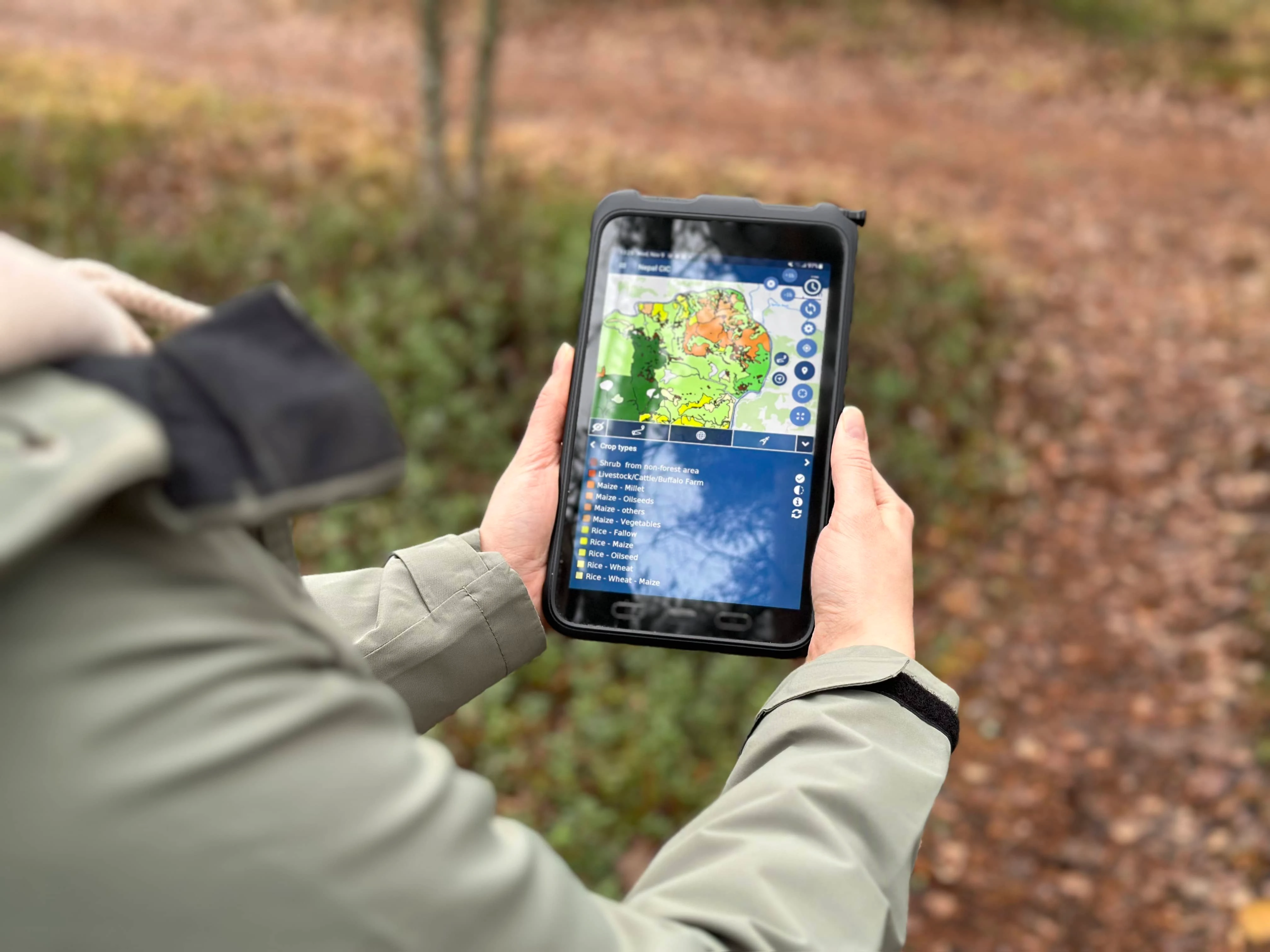
Our data collection teams are very pleased with Ahma as a modern, user friendly and reliable field application.
Tapani Hämäläinen, Chief Digital Officer | Finnish Forest Centre
I was very fascinated to use the Forest Monitoring and Evaluation System developed by Arbonaut. The software is highly reliable in data collection, planning, analysis, and reporting. The company was customer-oriented with prompt support in case of any need and its team of experts was very professional.
Jerome Tuyisingize, Forest Specialist | ENABEL
During the past 10 years Arbonaut has designed and implemented several applications for Metsähallitus Forestry. The expert team in Arbonaut is highly competent. With an innovative and customer-oriented approach the team has been very successful in supporting practical forest management in Finnish state forests.
Risto Laamanen, IT-manager | Metsähallitus
Collecting complexly structured field inspection data is efficient with Tassu application.
Tapani Hämäläinen, Chief Digital Officer | Finnish Forest Centre
Arbonaut provides a constant quality of inventory results that fulfil the requirements as presented in the tenders each year. I wish also to underline the positive role that Arbonaut has in the development of the methodology in accordance with international standards and research.
Juho Heikkilä, Senior Forest Data Specialist | Finnish Forest Centre
Arbonaut has been a partner for a long time in Posiva’s long-term safety assessment. Their know-how in spatial analyst tools and software development has given great value, especially in the terrain development modeling done for the safety case in the operating license application for the geological disposal of spent nuclear fuel.
Lauri Parviainen, Research Coordinator | Posiva Oy
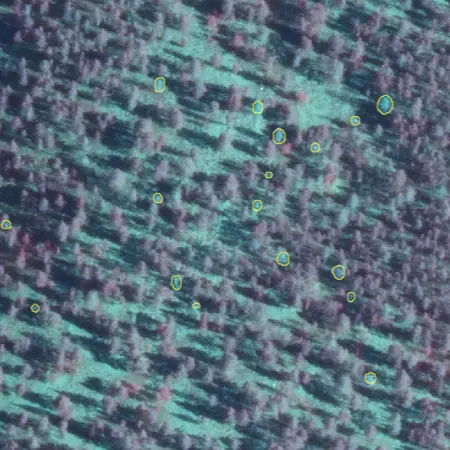
While searching for an image segmentation algorithm to inventory timber, I came upon Arbonaut’s segmentation software. The software was fully functional, clearly ahead of the industry and brilliant. I have never had a more fulfilling business experience than with Arbonaut.
Adam Rousselle, CEO | Utility Risk Management Corporation





 Cookie Policy